
Will Your Home Stand The Test of Time?
A home you build yourself and invest in is often described as a “forever home.” But longevity isn’t created by square footage, a dramatic entrance hall or a material palette that happens to be on trend. An enduring home performs consistently and adapts easily to any changes. The building feels generous in winter light and calm in summer heat, and it costs less to run than you expected. It weathers well, both physically and aesthetically.
When we design any bespoke home, we’re thinking far beyond practical completion. We’re thinking about how the building will feel, function and age over decades.
Here’s what underpins that approach.

Orientation and Daylight Strategy
Orientation is one of the most powerful design tools available.
Before materials, before form, before aesthetic decisions, we consider how a building sits in relation to the sun, prevailing winds and surrounding landscape. A well-oriented home:
Captures low winter sun for passive heat gain
Controls summer overheating through shading and glazing strategy
Maximises natural daylight deep into the plan
Reduces reliance on artificial lighting and mechanical cooling
However, this isn’t just about energy modelling. It’s about how a space feels at 8am in January, or at 6pm in July.
Carefully positioned glazing, considered window proportions, roof overhangs and brise-soleil all contribute to a home that feels naturally comfortable rather than mechanically corrected. These early spatial decisions shape energy use for the lifetime of the building. You rarely notice good orientation. But you always feel it.
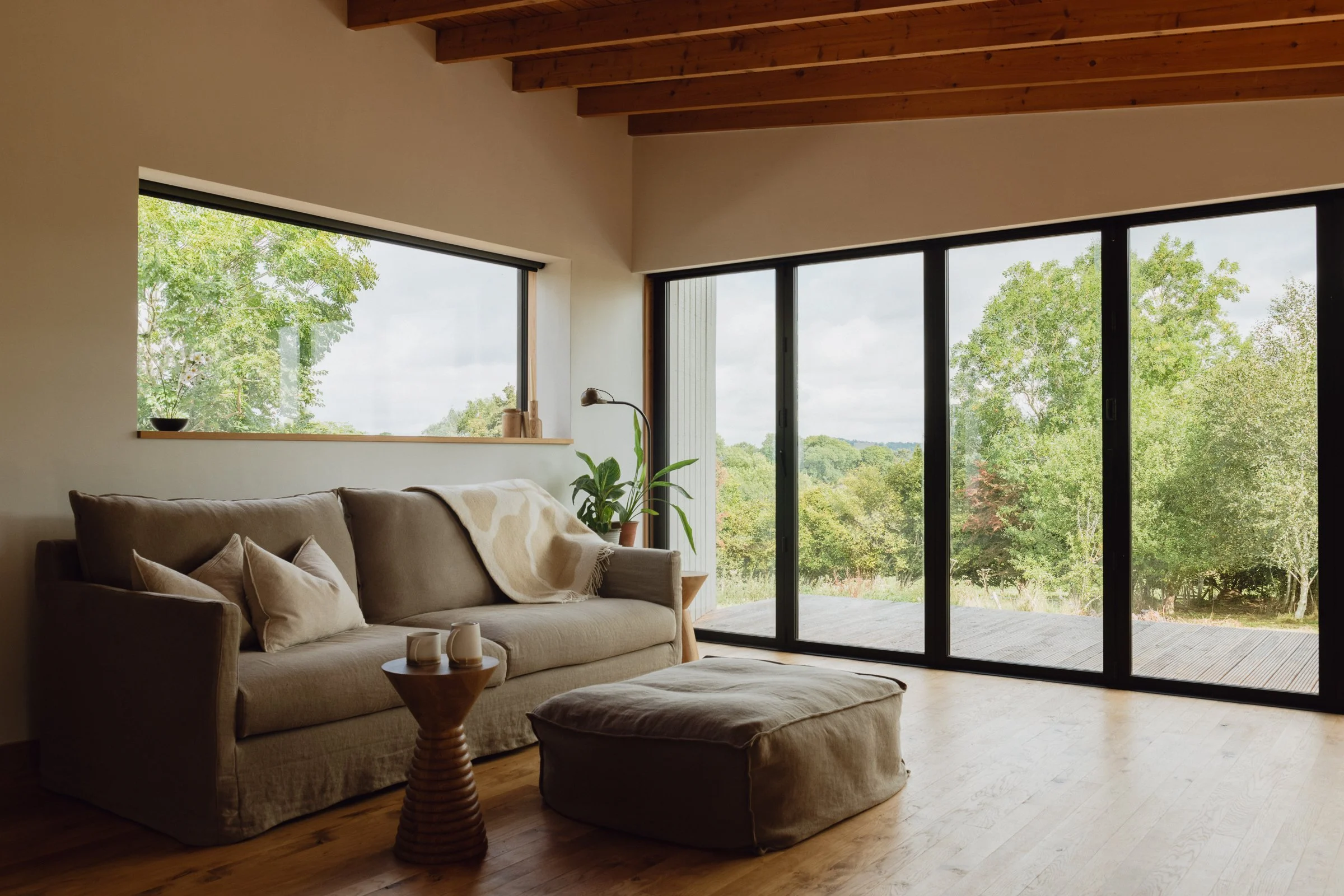
Day to day comfort
Endurance is performance. Thermal comfort, air quality and acoustic control define how well a home supports daily life. A high-performing fabric-first approach( robust insulation, careful detailing and rigorous airtightness) reduces energy demand at source.
Mechanical ventilation with heat recovery (MVHR) systems ensure consistent fresh air without heat loss, maintaining indoor air quality while minimising energy use. When paired with a thoughtfully designed envelope, the result is a home that:
Maintains stable internal temperatures
Avoids cold surfaces and draughts
Minimises condensation risk
Keeps operational costs predictable
This matters just as much to private clients as it does to developers. Energy efficiency isn’t simply an environmental choice, it’s a long-term strategy to reduce fuel poverty.
An enduring home doesn’t rely on oversized systems to compensate for poor fabric performance. It works quietly in the background, season after season.
Material resilience and maintenance costs
Materials tell a story over time. We consider not only how a material looks on completion, but how it will weather in five, ten or twenty years. Some finishes improve with age. Others demand constant maintenance to preserve their original appearance.
Durability is about:
Appropriate material selection for exposure conditions
Detailing that sheds water effectively
Designing junctions that are robust and accessible
Understanding whole-life cost rather than upfront cost
For example, untreated timber cladding may silver naturally and beautifully if detailed correctly. Poorly detailed, it can become a maintenance burden. Brick, stone and metal can last generations, but only when craftsmanship and specification are aligned.
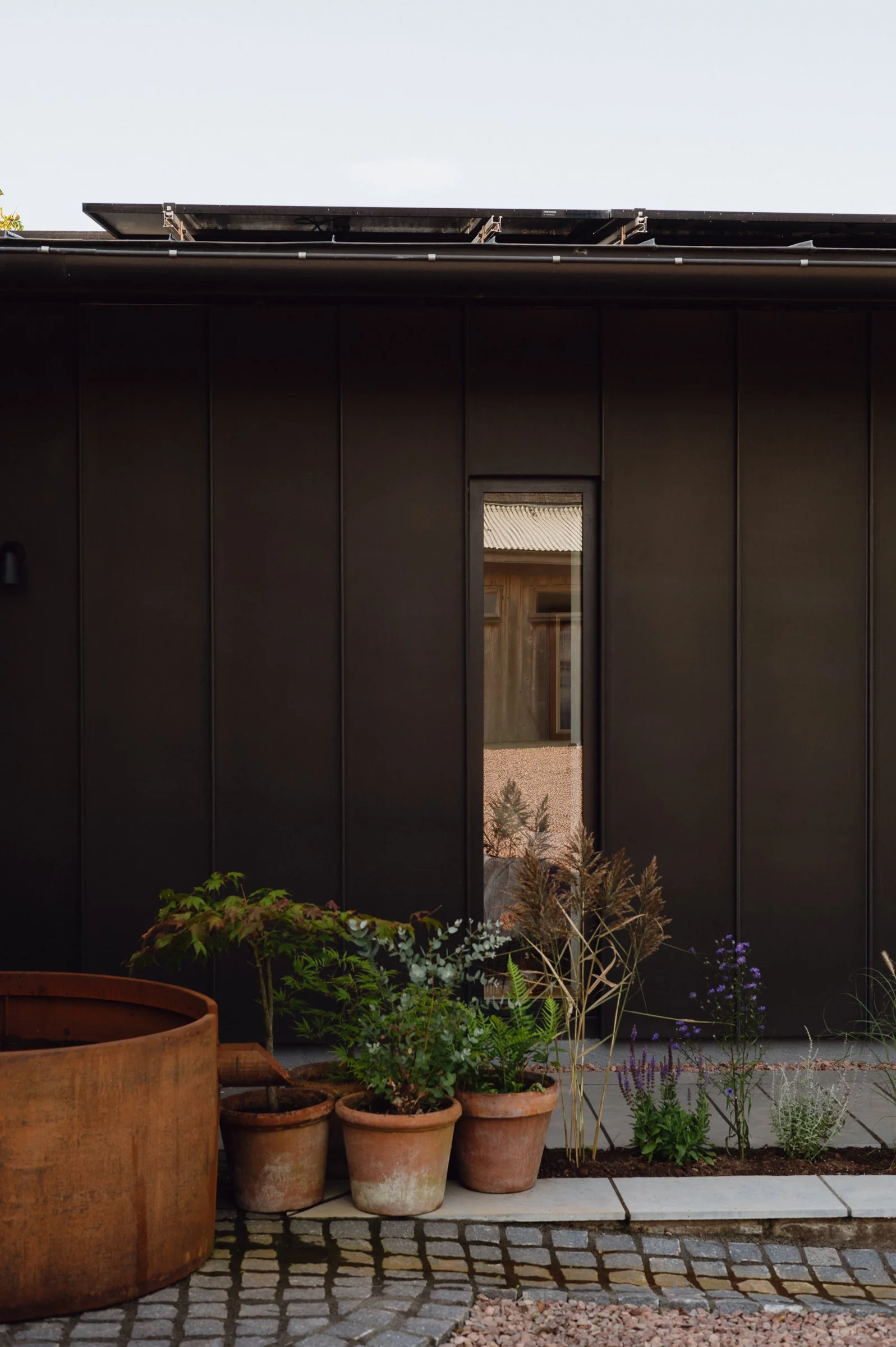
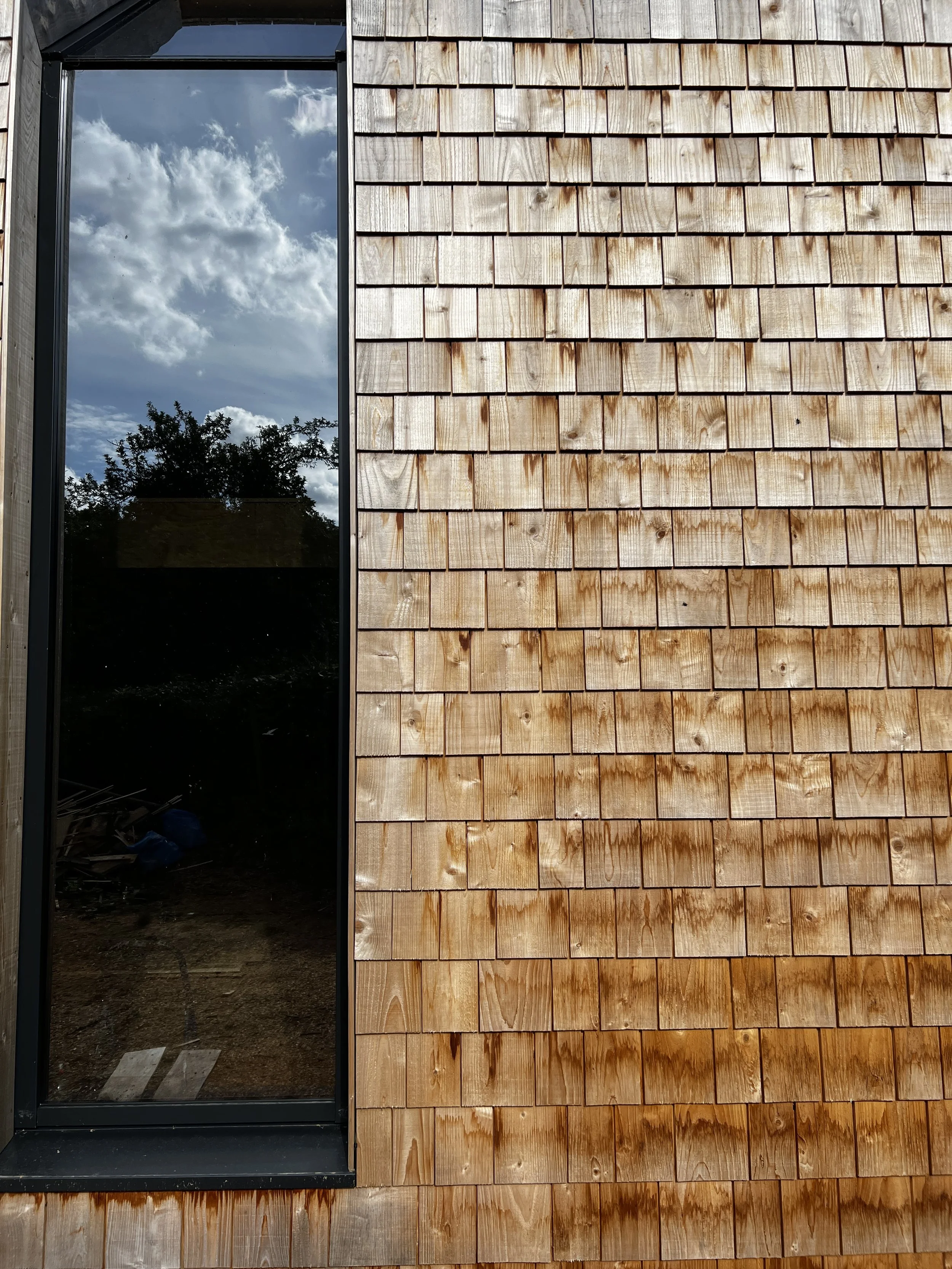
An enduring bespoke home balances embodied carbon, maintenance cycles and replacement costs. It considers how easy it will be to repair, adapt or upgrade systems in the future.
Connection to Landscape and Place
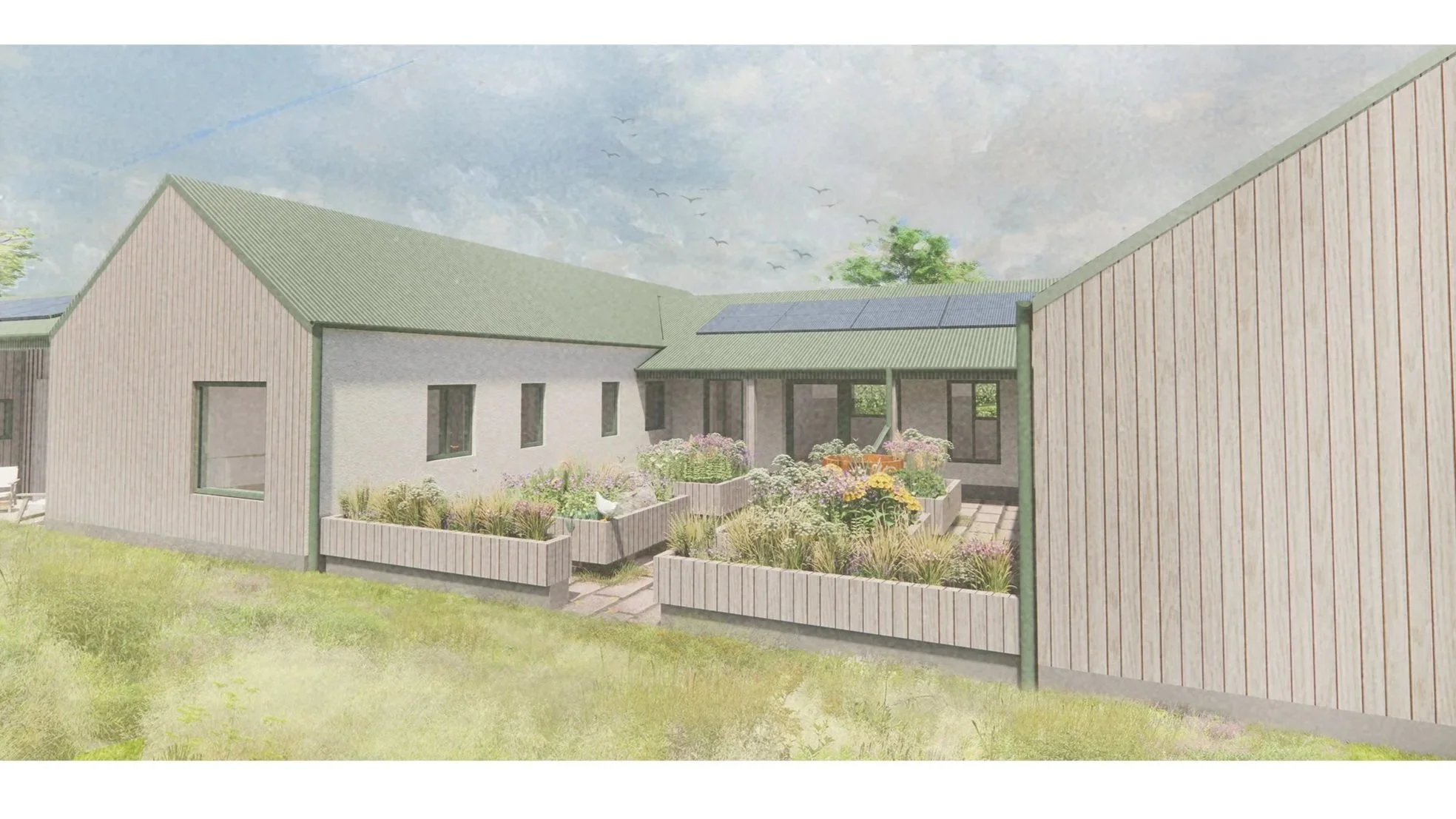
Enduring homes feel rooted. They respond to topography, views, neighbouring context and local materials, framing the landscape intentionally rather than simply facing it. By doing this, they create thresholds between inside and outside that encourage daily connection with the environment.
This connection supports wellbeing in ways that go beyond aesthetics. Access to natural light, framed views and outdoor spaces influences how we inhabit our homes across seasons.
Designing with place in mind also strengthens planning outcomes. Homes that respond sensitively to context are more likely to gain support and age gracefully within their surroundings.
The Importance of Early Collaboration

For private clients and developers alike, the foundations of an enduring home are set early with a clear brief, realistic budget alignment and early engagement with planning constraints. All projects benefit from collaboration between architect, consultant team and contractor from the outset.
When performance targets, financial parameters and design intent are discussed openly at concept stage, the result is far more resilient.
Early collaboration allows us to:
Integrate energy strategy seamlessly into design
Resolve planning considerations proactively
Coordinate structure, services and fabric performance
Make informed decisions about materials and lifecycle costs
Beyond Completion
A bespoke home should not peak on the day you move in. It should feel just as considered ten winters later when energy bills are manageable, maintenance is predictable, and the spaces still support the rhythms of everyday life.
A well-oriented, well-performing, well-detailed home remains generous, comfortable and adaptable despite evolving styles, technology advances or family and lifestyle changes. That is what makes it endure and stand the test of time!