Journal
The Ground Has Shifted: What the New Planning Framework Means for Rural Landowners
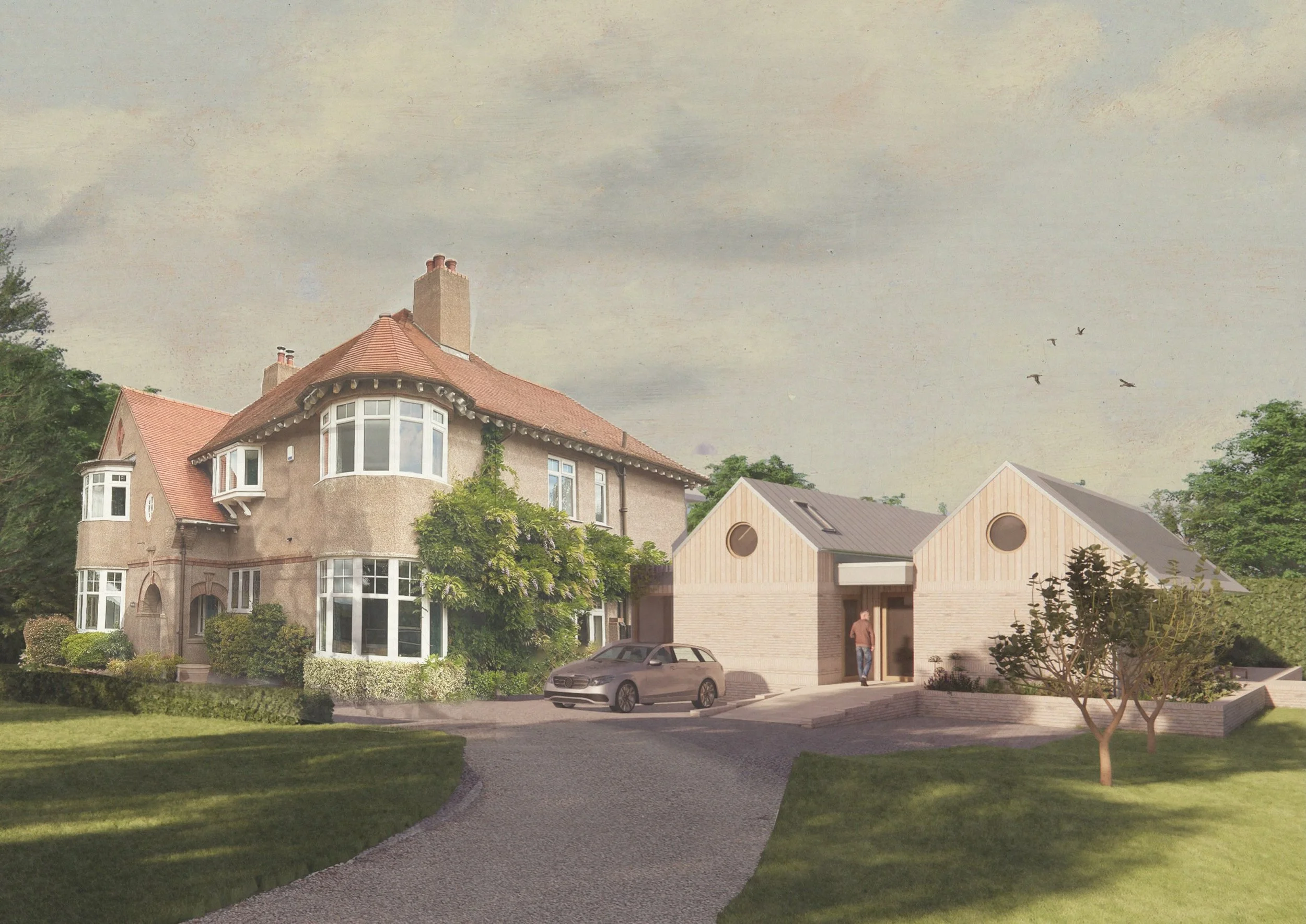
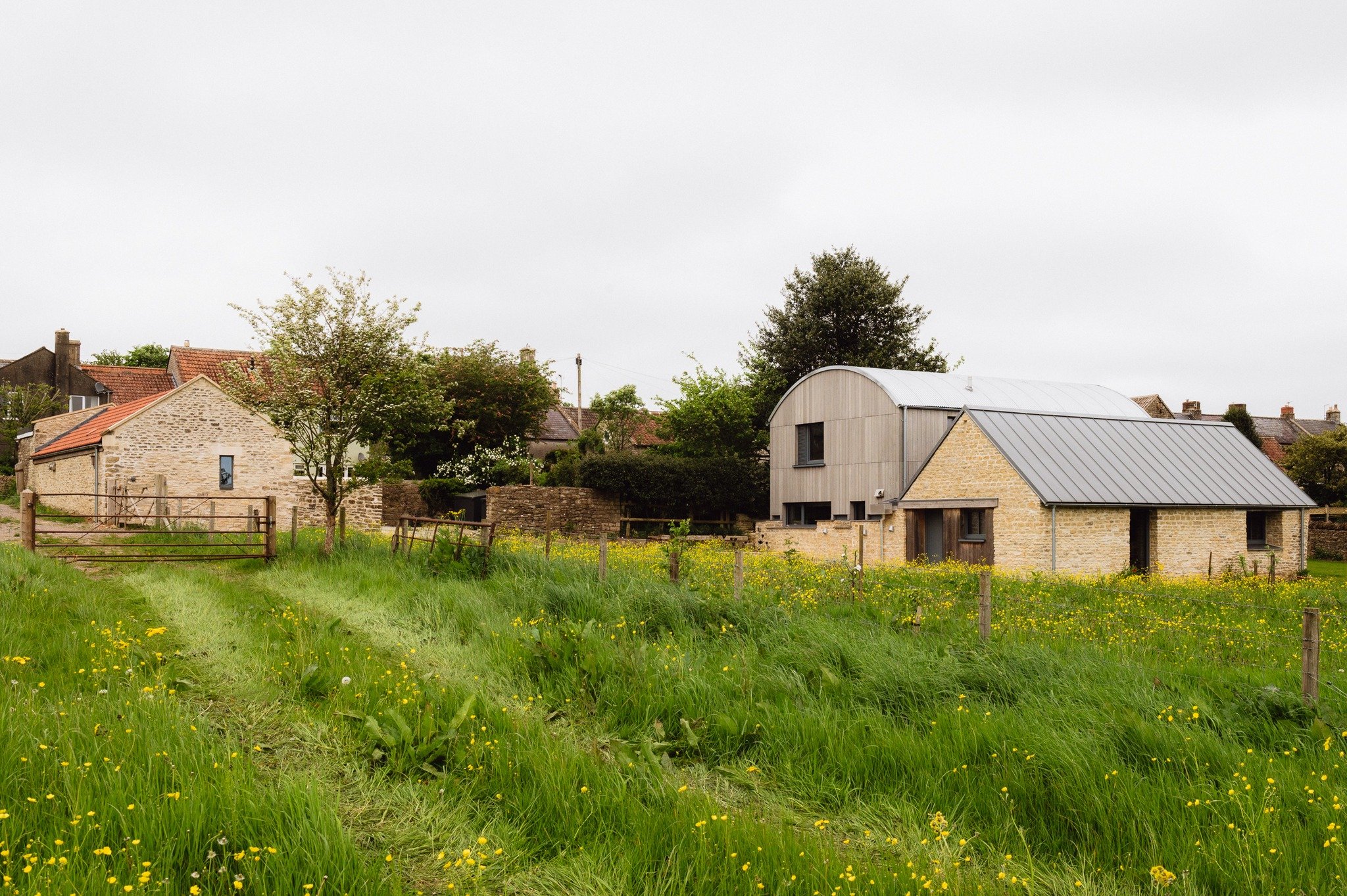
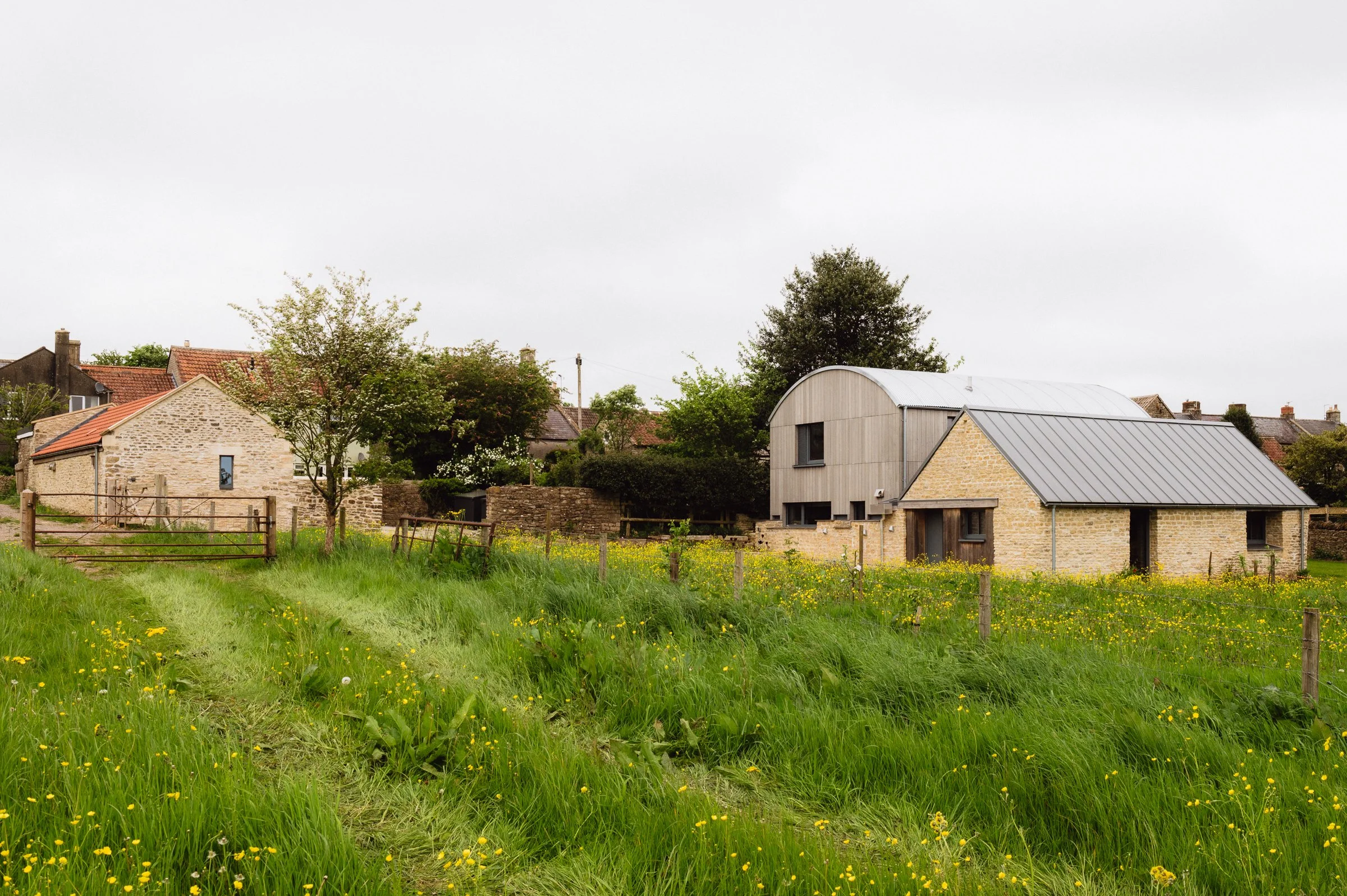
For decades, the planning system has largely treated land outside settlement boundaries as an exception. New homes were directed towards allocated sites, strategic extensions and locations identified through local plans, with very limited opportunities for rural sites that sat beyond the red line on a planning map.
That ground has just shifted.
The new National Planning Policy Framework (NPPF), the first comprehensive rewrite of national planning policy since 2012, introduces something that rural landowners, farmers, estates and developers have never had before: nationally defined criteria for assessing homes outside settlement boundaries.
For Arbor clients, this is potentially one of the most significant changes to rural development policy in a generation.
But what does this mean on the ground?
Studio Culture and Project Lifecycle
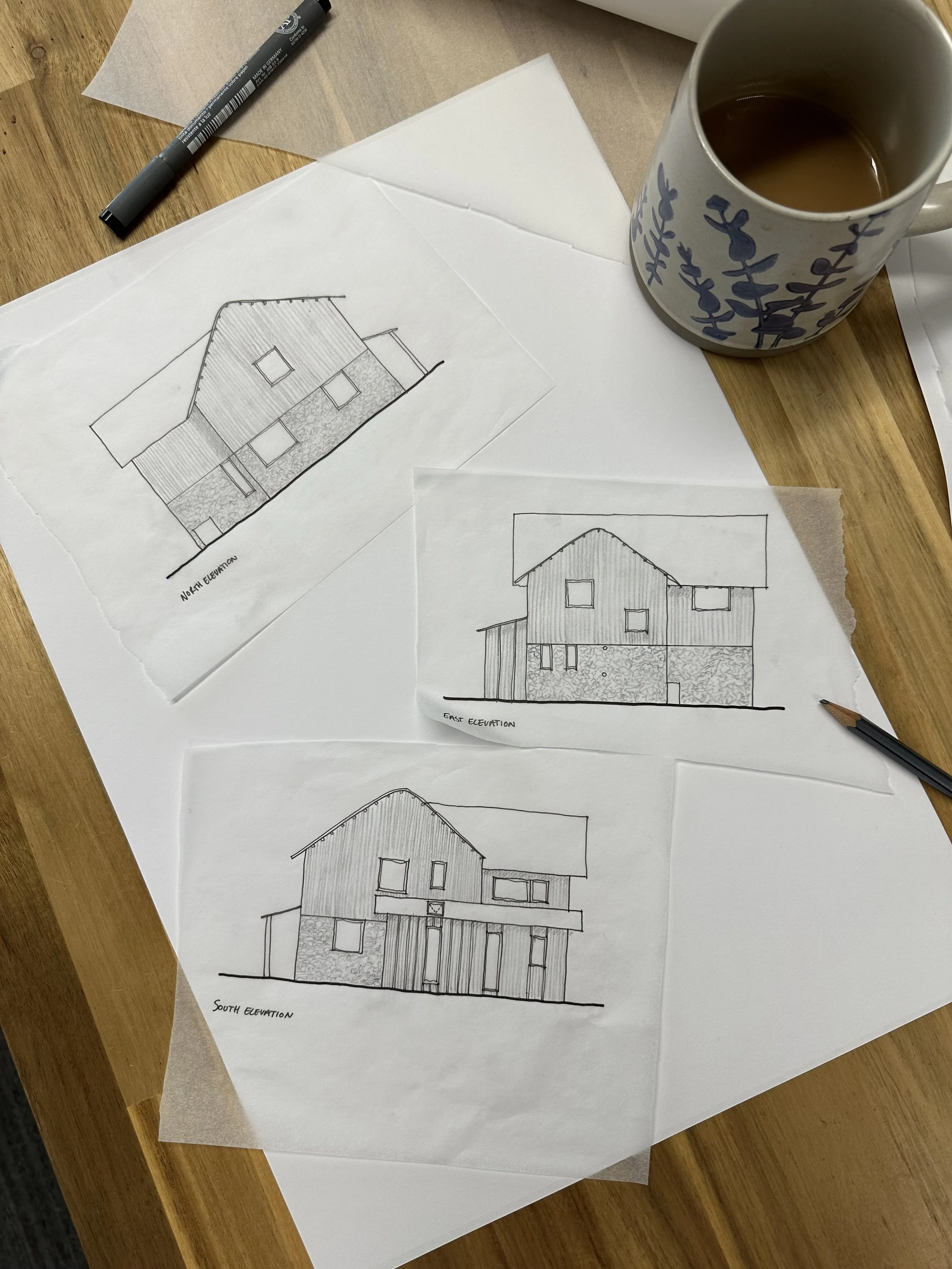
Embarking on a building project is a transformational journey. Architects act as both creative thinkers and strategic problem-solvers, guiding projects from initial ideas through to completion. Beyond aesthetics, our role is to navigate site complexities, unlock spatial opportunities, and create lasting value for our clients and wider communities.
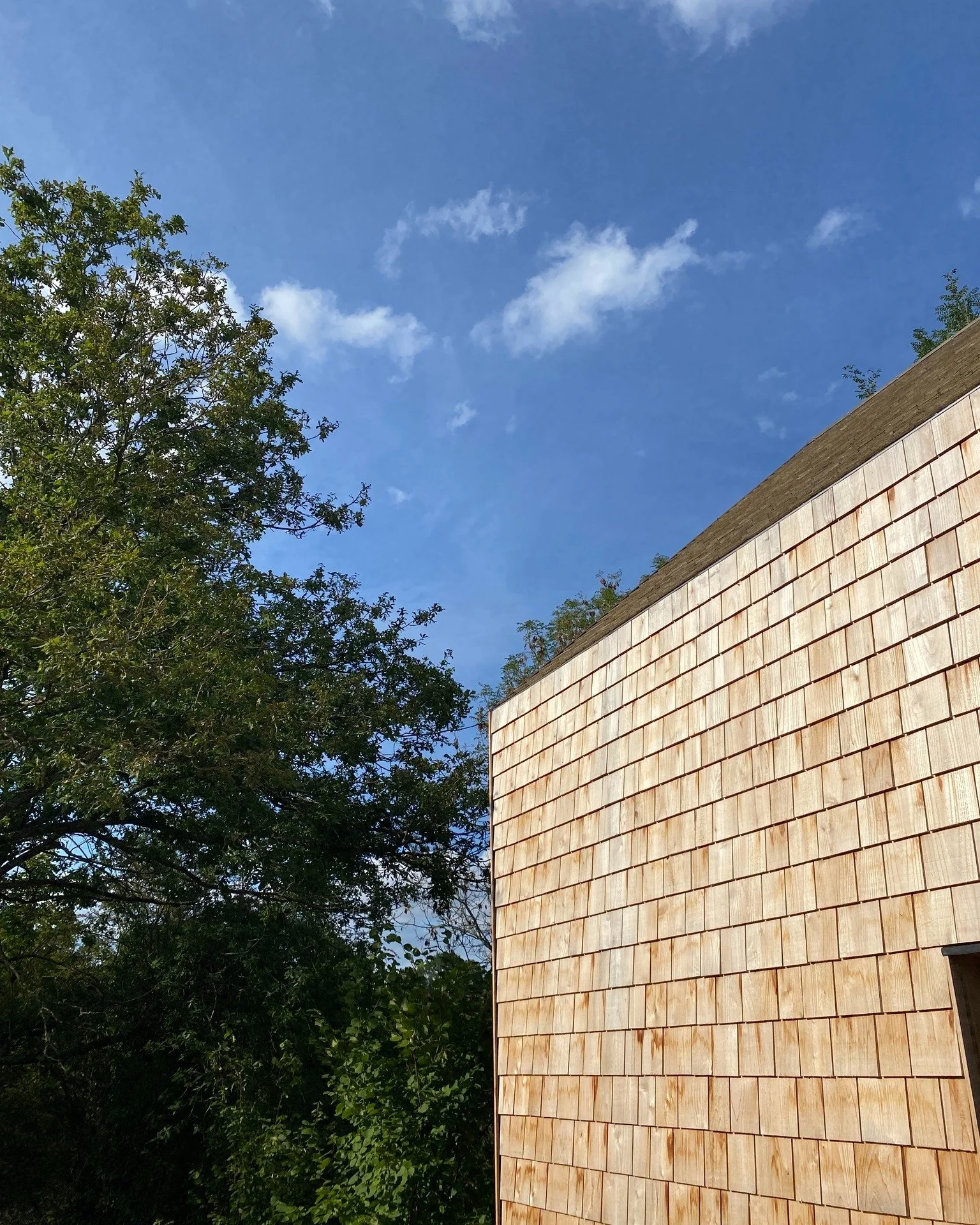
July Site Updates - NMITE Centre for Innovation and Future Skills
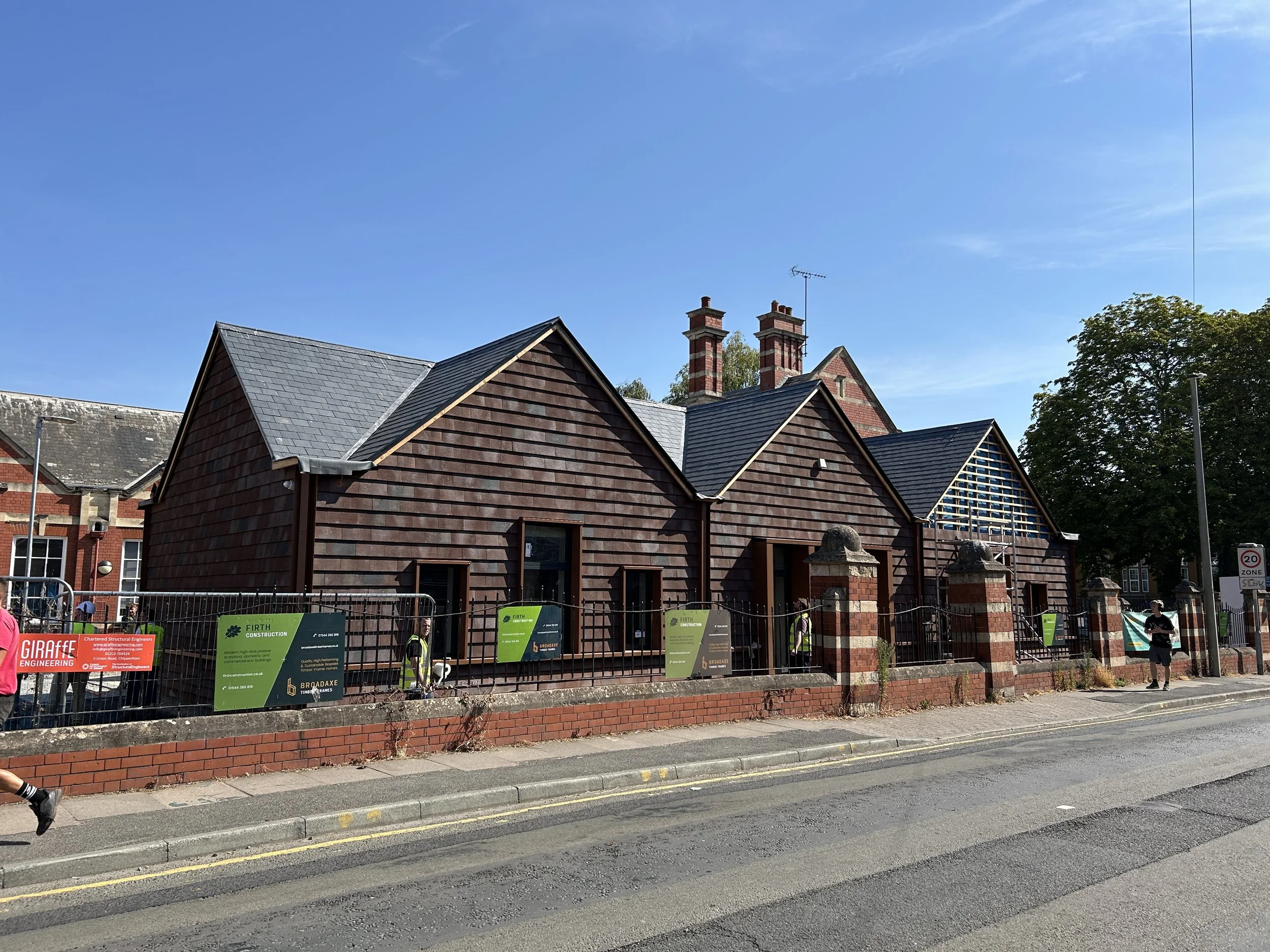
Excellent progress has been made on site over the past few weeks, with the building now entering the final stages of completion.
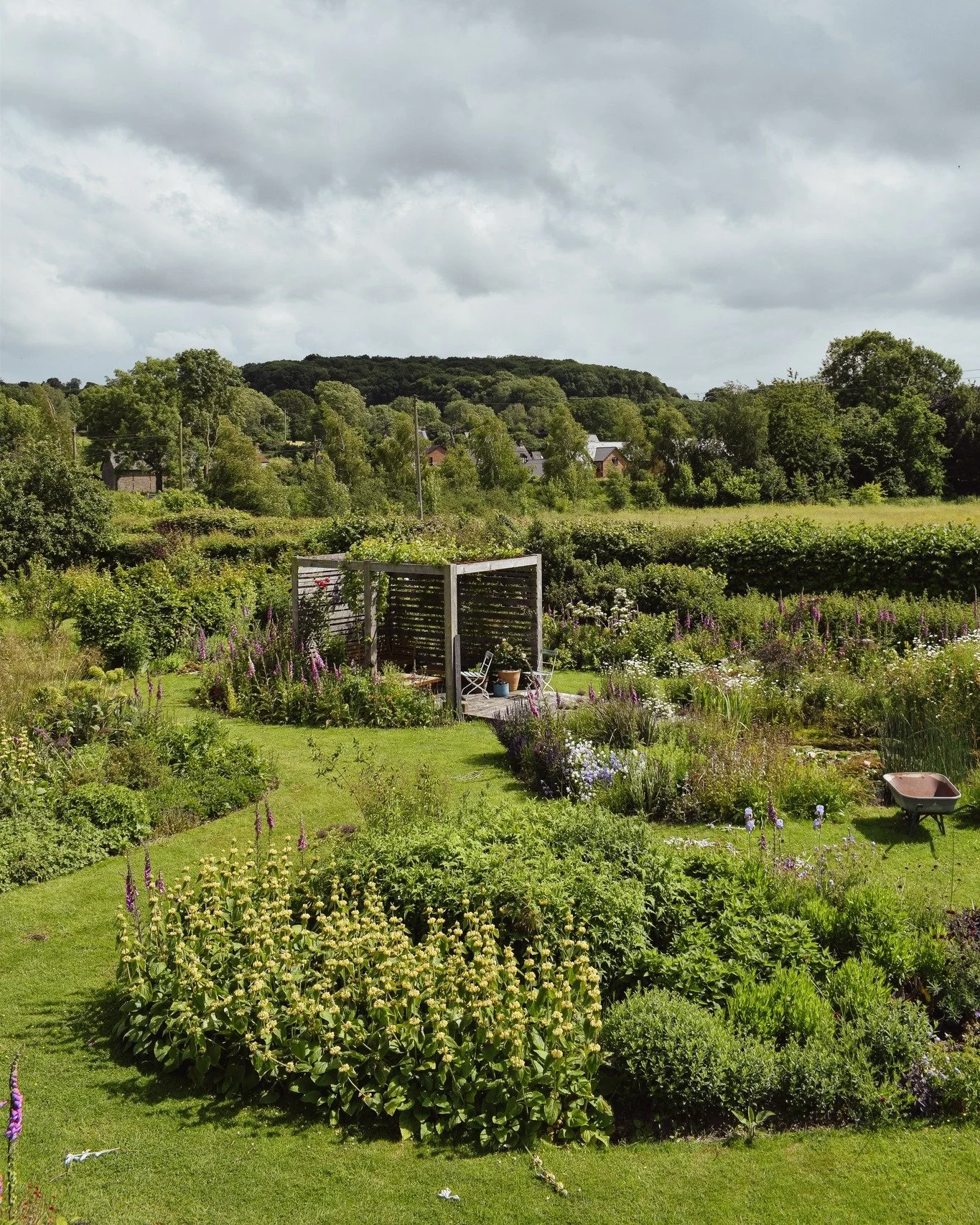
Case Study: Hawksfield - Re-visiting a Passivhaus a Decade After Handover
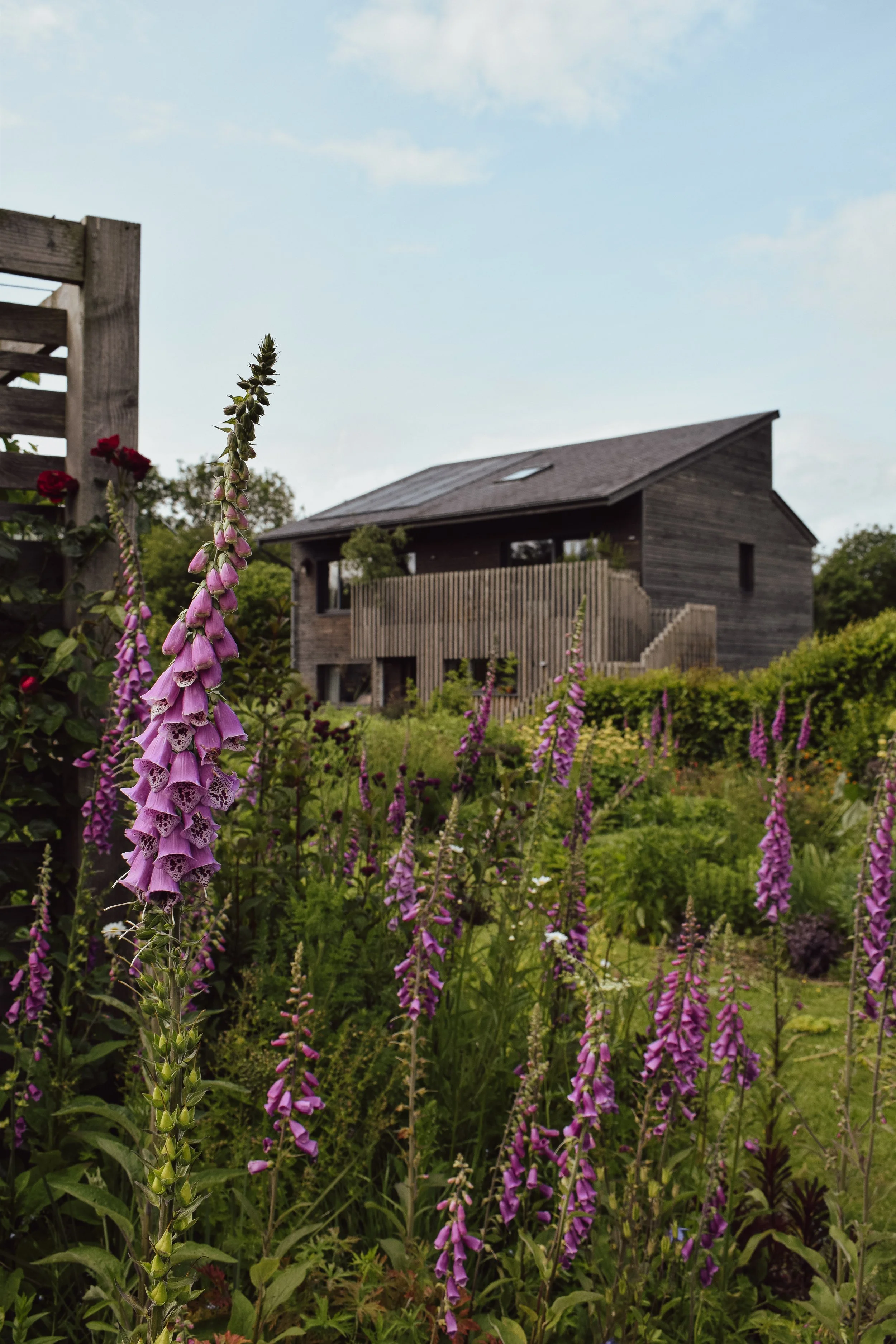
A recent site visit, several years after completion, offered a compelling look at how Hawksfield has settled into its rural Herefordshire landscape. Set in the village of Clifford, the project was conceived as an architectural response to the land rather than an imposition upon it.
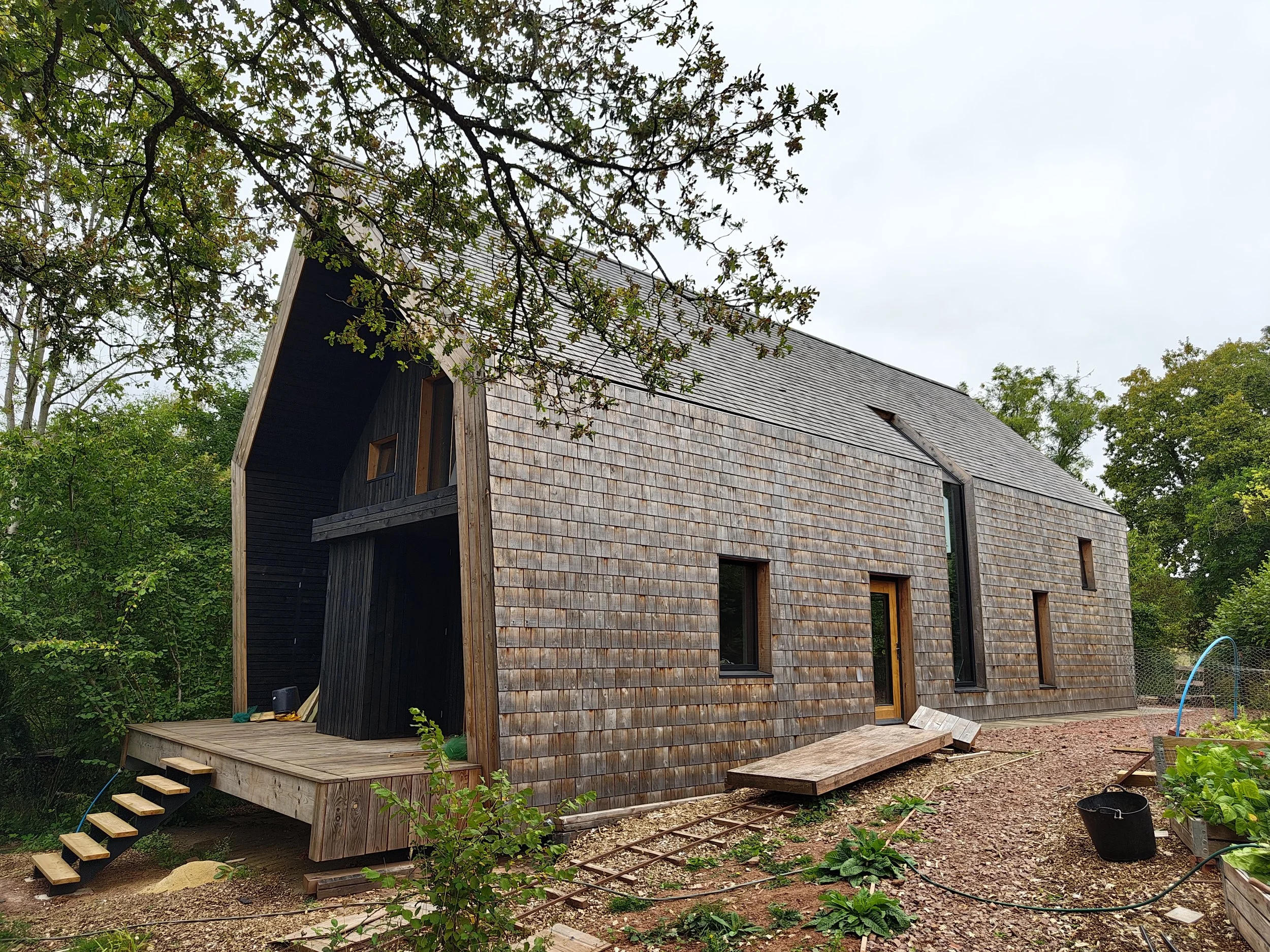
Adopting a Fabric-First Approach Keeps UK Homes Cool Without Costing the Earth
Through intelligent, passive, fabric-first design principles, we can create high-performance homes that stay naturally comfortable and cool during the hottest months of the year. These buildings not only reduce the risk of overheating but also lower energy demand and carbon emissions, delivering healthier, more sustainable places to live for the long term.
Regenerative Architecture Index 2026
We are delighted to have been selected to be part of the Regenerative Architecture Index 2026. Launched by Architecture Today and UK Architects Declare, the index showcases practices whose work is going beyond ‘doing less harm’ towards positively contributing to the environment and the long term sustainability of the built environment.
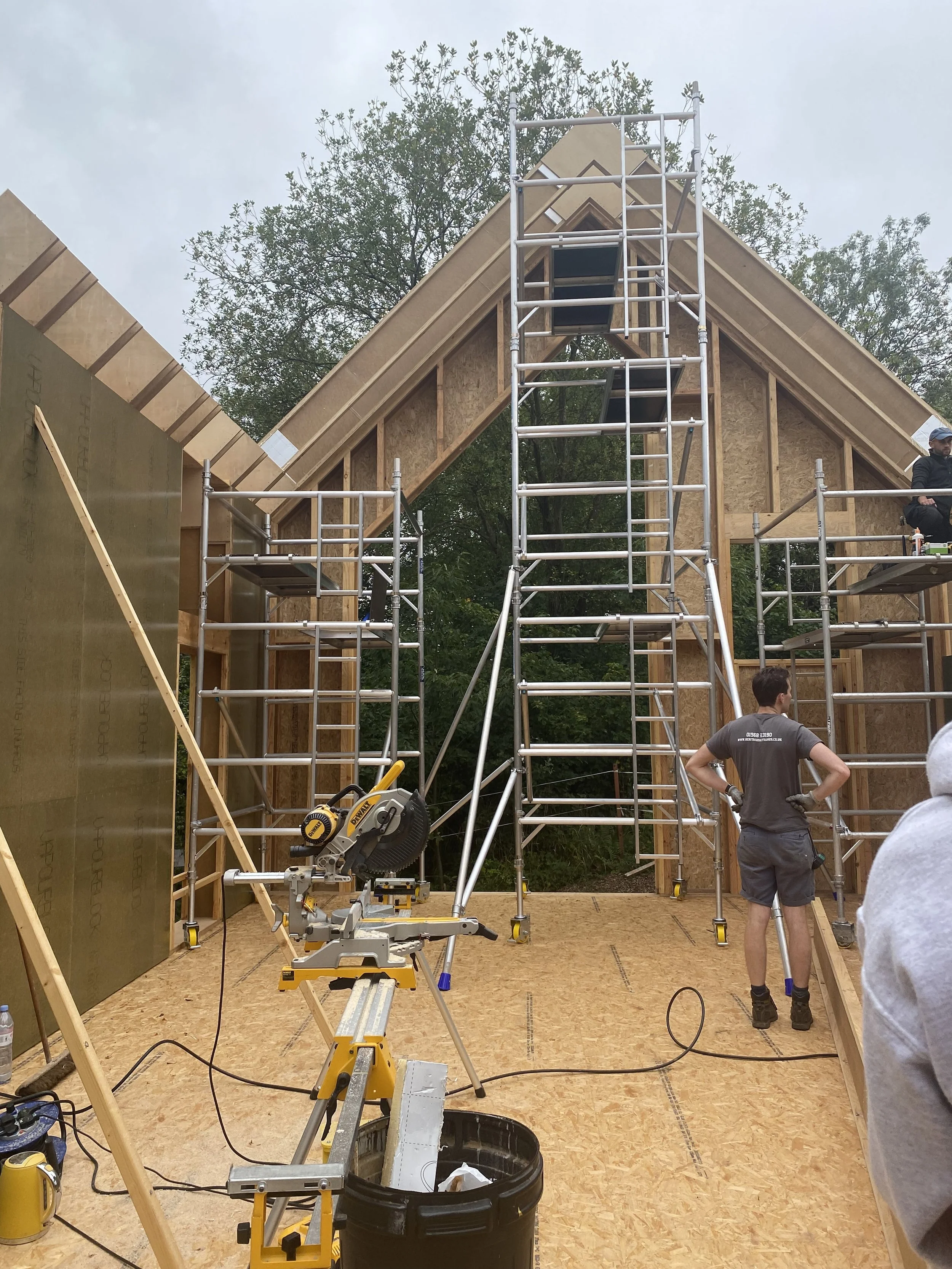
Self Build and the Planning System: Creating Opportunities for Better Homes
Across much of Europe, self build housing is a well‑established route to delivering high‑quality homes. In the UK, however, the system remains far more challenging to navigate, and as a result, we lag significantly behind our neighbours in both the quantity and ambition of self‑built homes.
A Reflection on Our Practice
Arbor Architects was founded in 2019 with a clear ambition: to create thoughtful, sustainable architecture shaped around the people who inhabit it. Since then, the practice has grown into a well‑established studio, delivering award‑winning projects while maintaining a strong focus on client engagement and exceptional customer service.
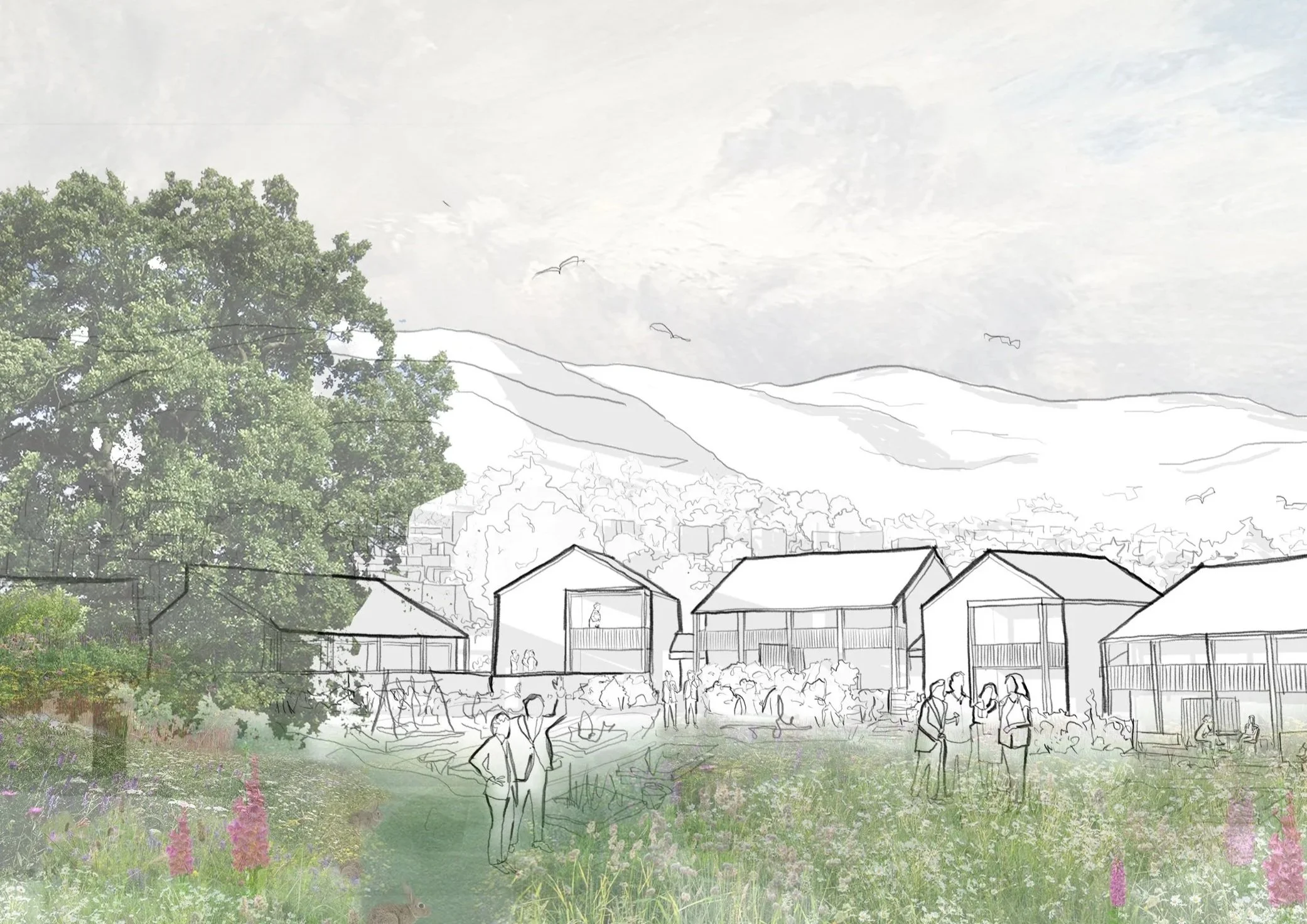
Permission in Principle: A Quietly Powerful Tool for Small Development Sites
Understanding whether a site has genuine development potential can feel like a leap into the unknown. The planning system often asks for considerable investment long before it gives any certainty, particularly on sites with heritage, landscape or ecological sensitivities. Since 2016, however, a more measured route has been available: Permission in Principle (PiP).
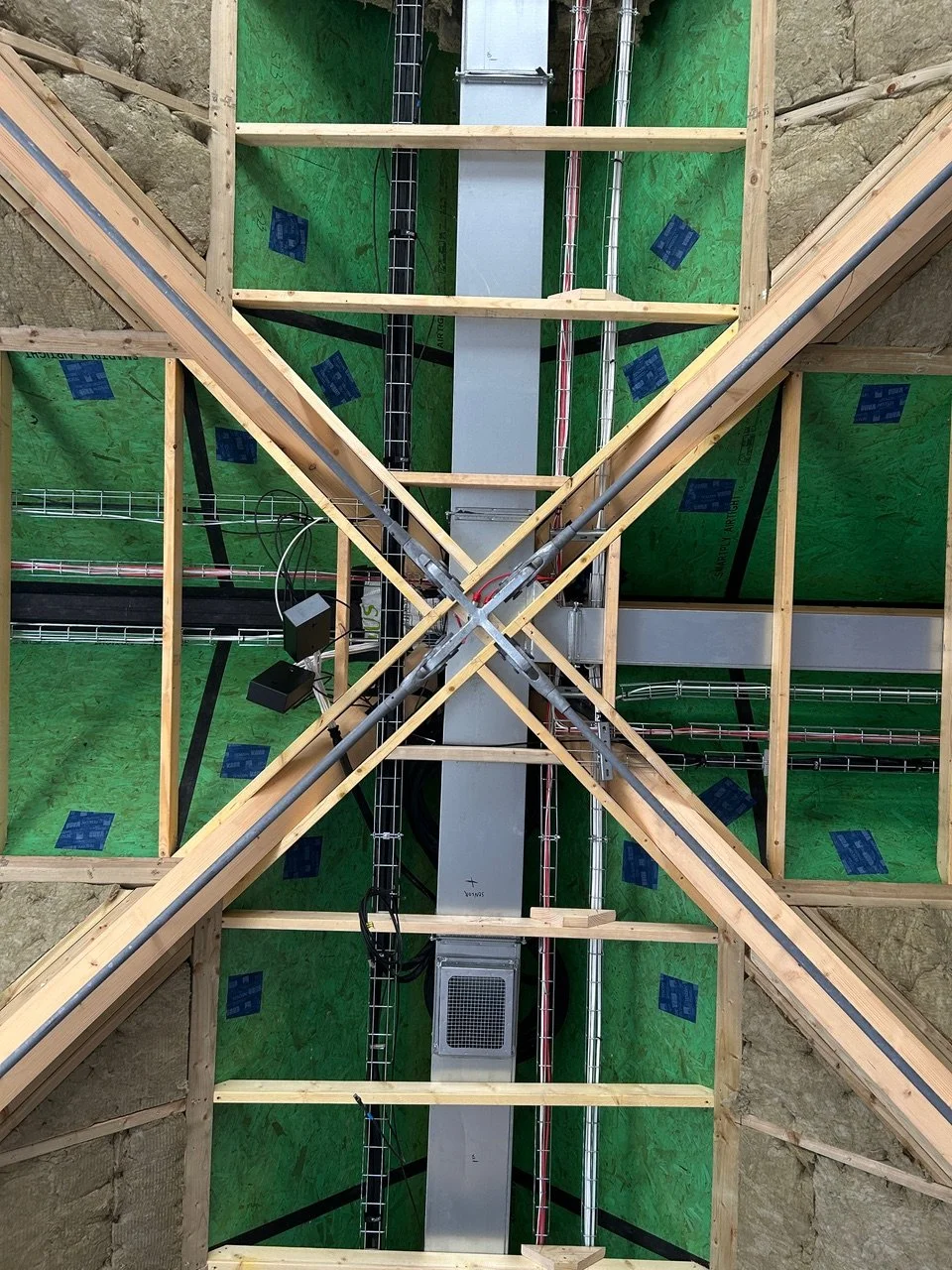
April Site Updates - NMITE Centre for Innovation and Future Skills
The NMITE Centre for Innovation and Future Skills is still progressing well on site. There's a lot happening both internally and externally now, and we’re getting excited about seeing the final spaces start to take shape.
Follow our updates on Instagram: