Passivhaus
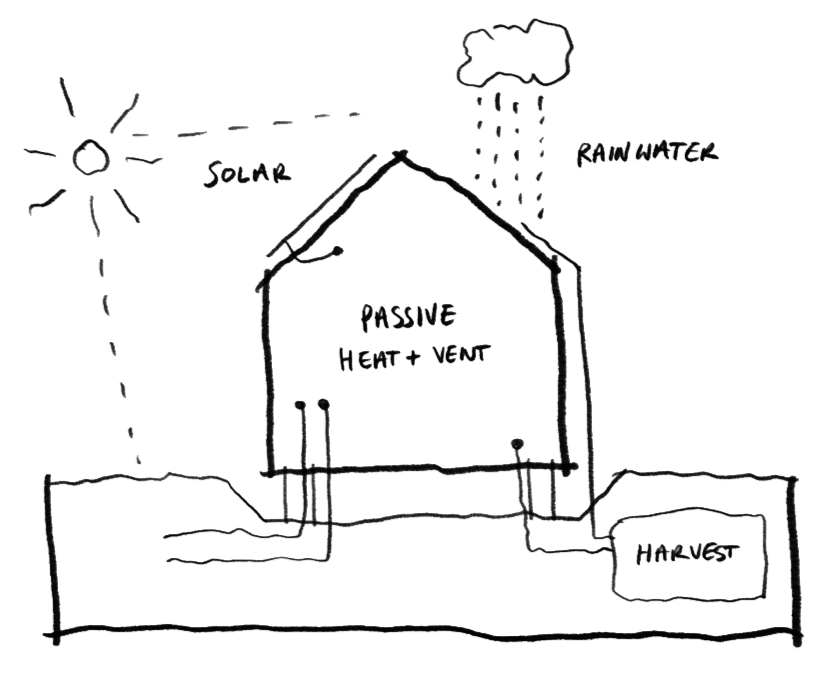
Passivhaus is a rigorous, physics‑led approach to ultra‑low energy design, delivering exceptional comfort, healthy indoor air and low running costs.
At Arbor Architects, we’ve delivered certified Passivhaus projects from concept to completion. We pair technical clarity with crafted, context‑led architecture - never separating performance from beauty.
Our approach is simple: spaces should feel effortless to live in, rooted in place, and shaped with the people who will inhabit them. Passivhaus and EnerPHit let us create buildings that are calm, efficient and uplifting - architecture that performs brilliantly and enriches everyday life.
Arbor Architects are members of the Passivhaus Trust and are Certified Passivhaus Designers.
We build beautifully efficient spaces.
Low‑energy design that feels natural and effortless.
Sustainability at the core, always.
What is Passivhaus?
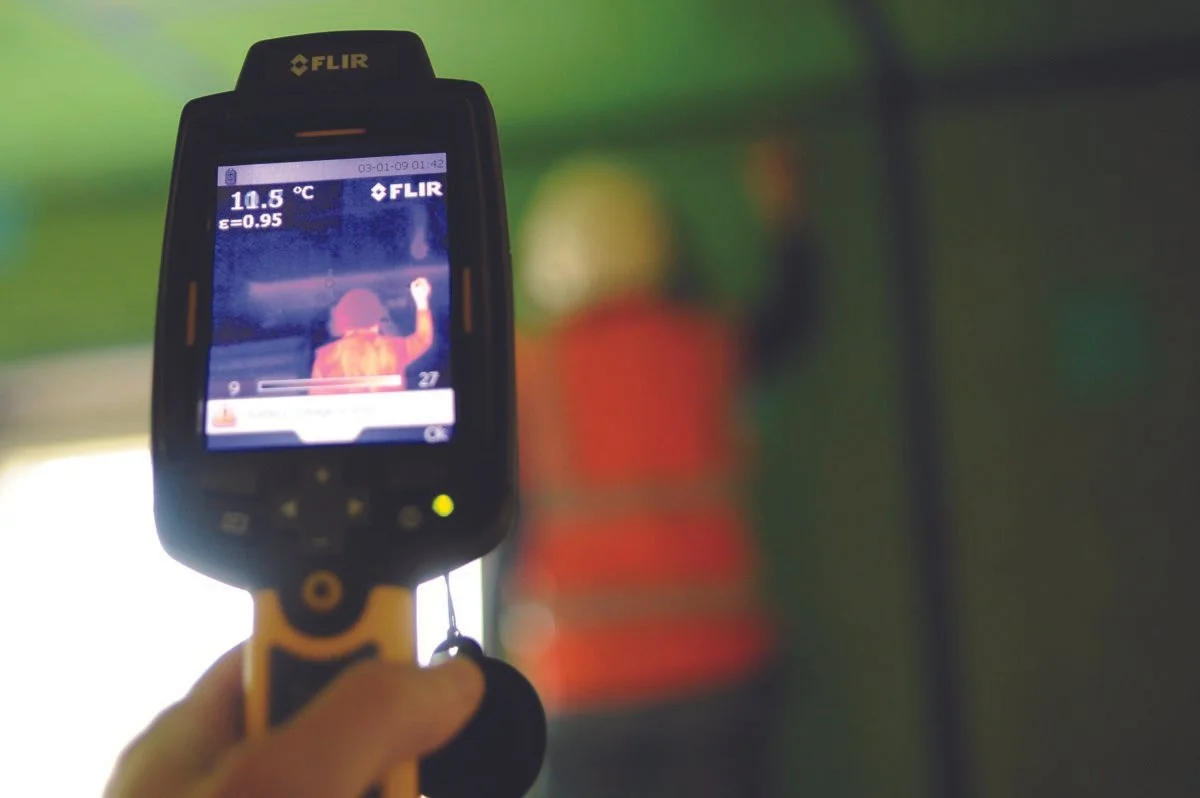
The Passivhaus Standard is a specific building construction standard that provides good comfort conditions during winter and summer without traditional space heating systems and active cooling. Established in Germany in the 1990s, its purpose is to reduce CO2 emissions from the built environment by adopting a whole-building approach with clear, measured targets, focused on high-quality construction and certified through an exacting quality assurance process. In summary, Passivhaus buildings provide a high level of occupant comfort, using very little energy for heating and cooling. Read more about the standard here.
Our Passivhaus Projects
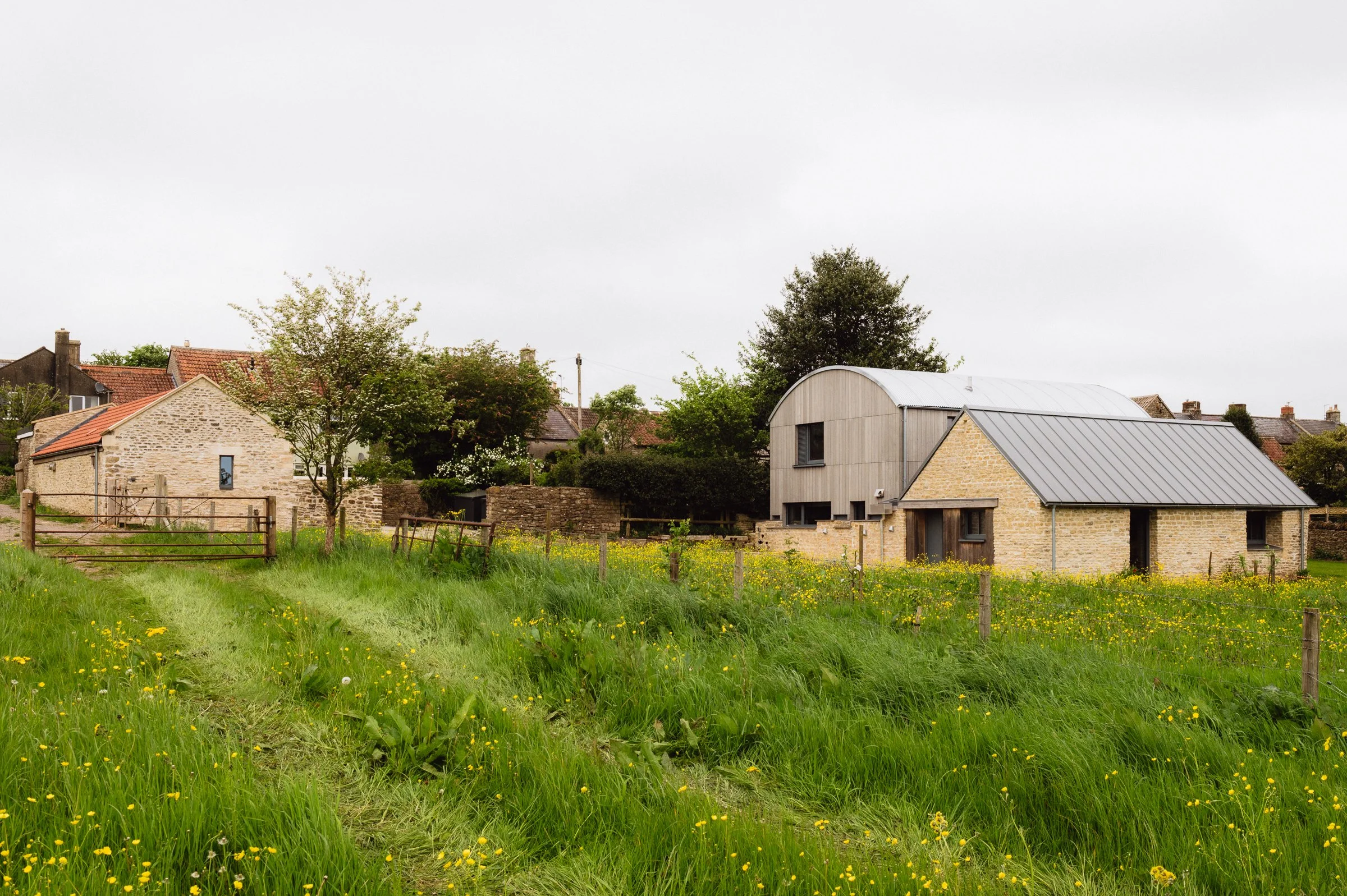
The Tin Barn Enerphit
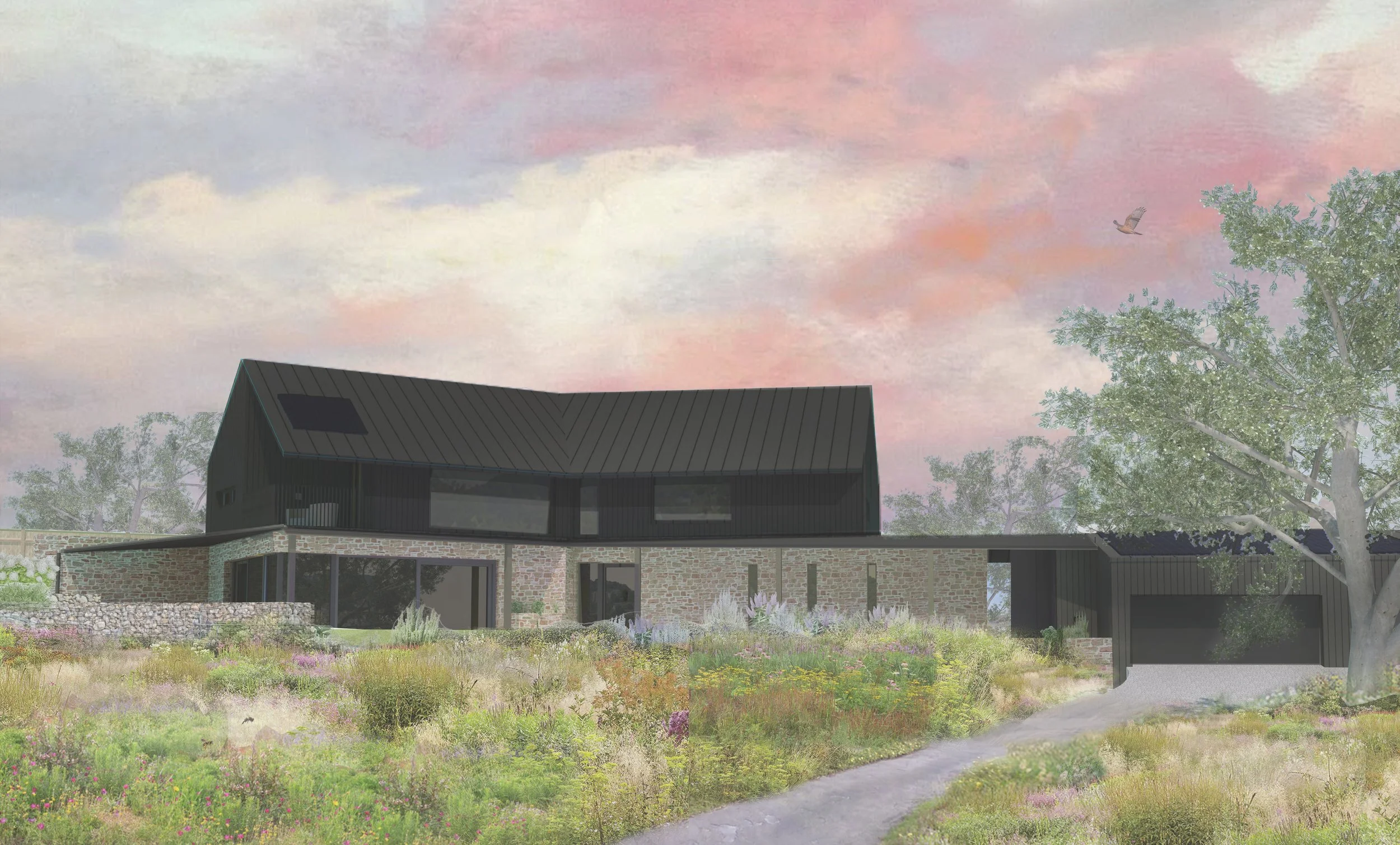
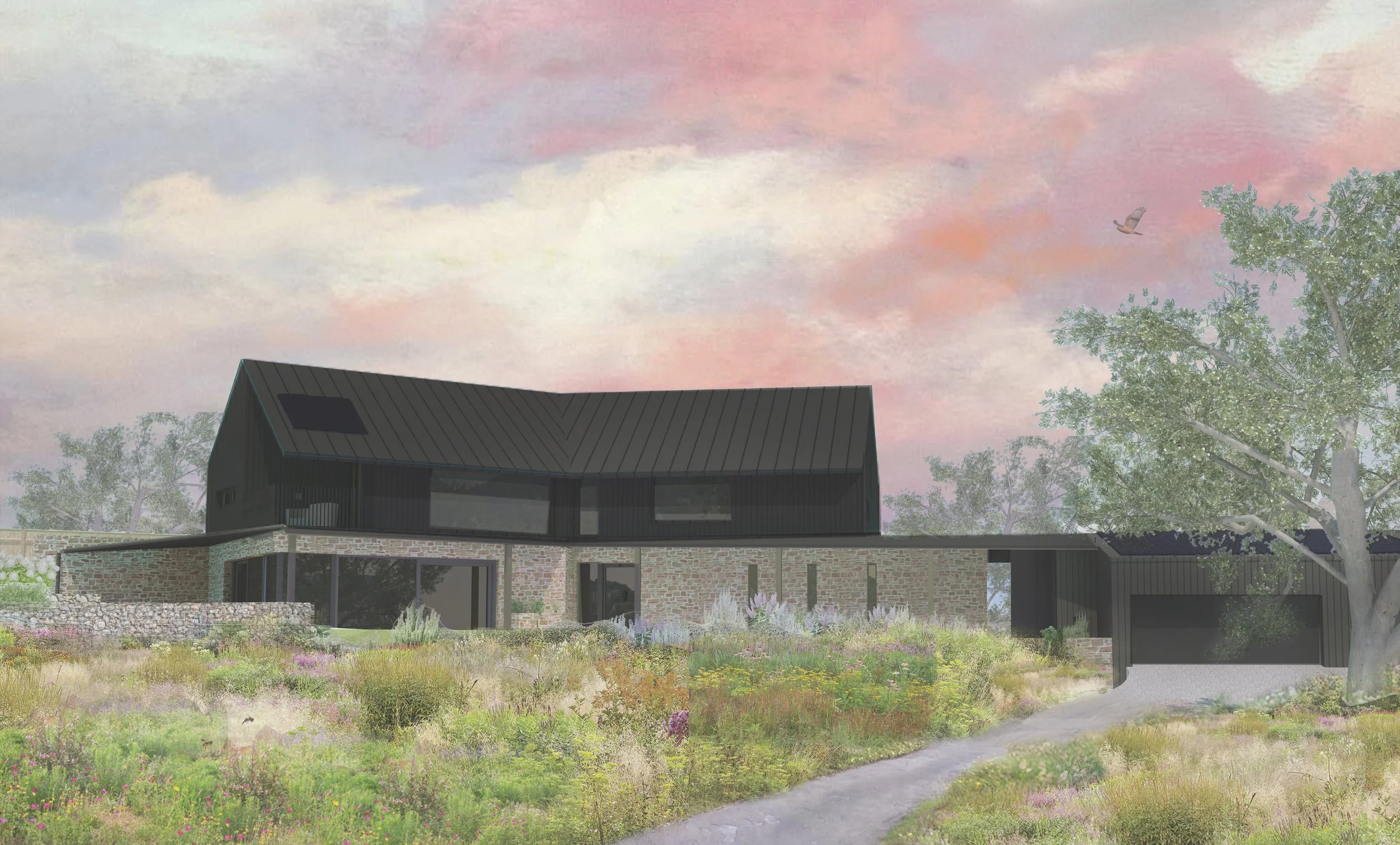
Our clients wanted to turn a derelict set of barns into an exemplary Passivhaus home. On a rural plot on the outskirts of Bath, they wanted a home that would be more manageable in scale and more cost-effective to run, allowing them to live more sustainably. They also needed space to work from home and let a vegetable plot flow between the wildflower meadows into the rolling countryside beyond.
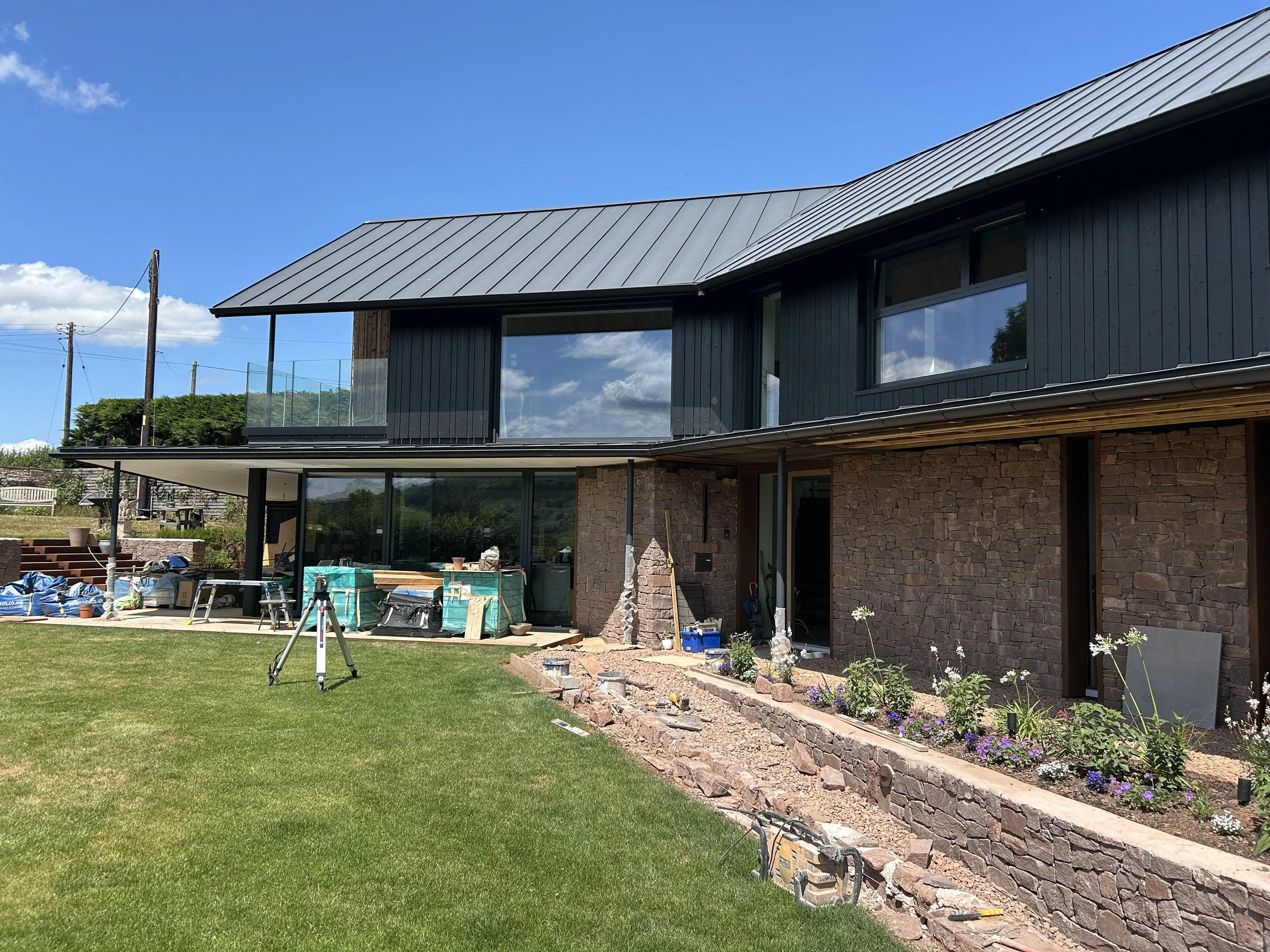
Jalan Passivhaus
The client’s aspiration is to create a home with an exemplary level of energy performance that will achieve the Passivhaus quality assurance standard. Retrofitting the building fabric of the existing 1960’s dwelling on the site to this standard would not be financially viable or physically feasible, so the clients want to replace the dwelling with a new built form that is orientated to optimise solar gain and designed with an optimal massing and layout to achieve Passivhaus.
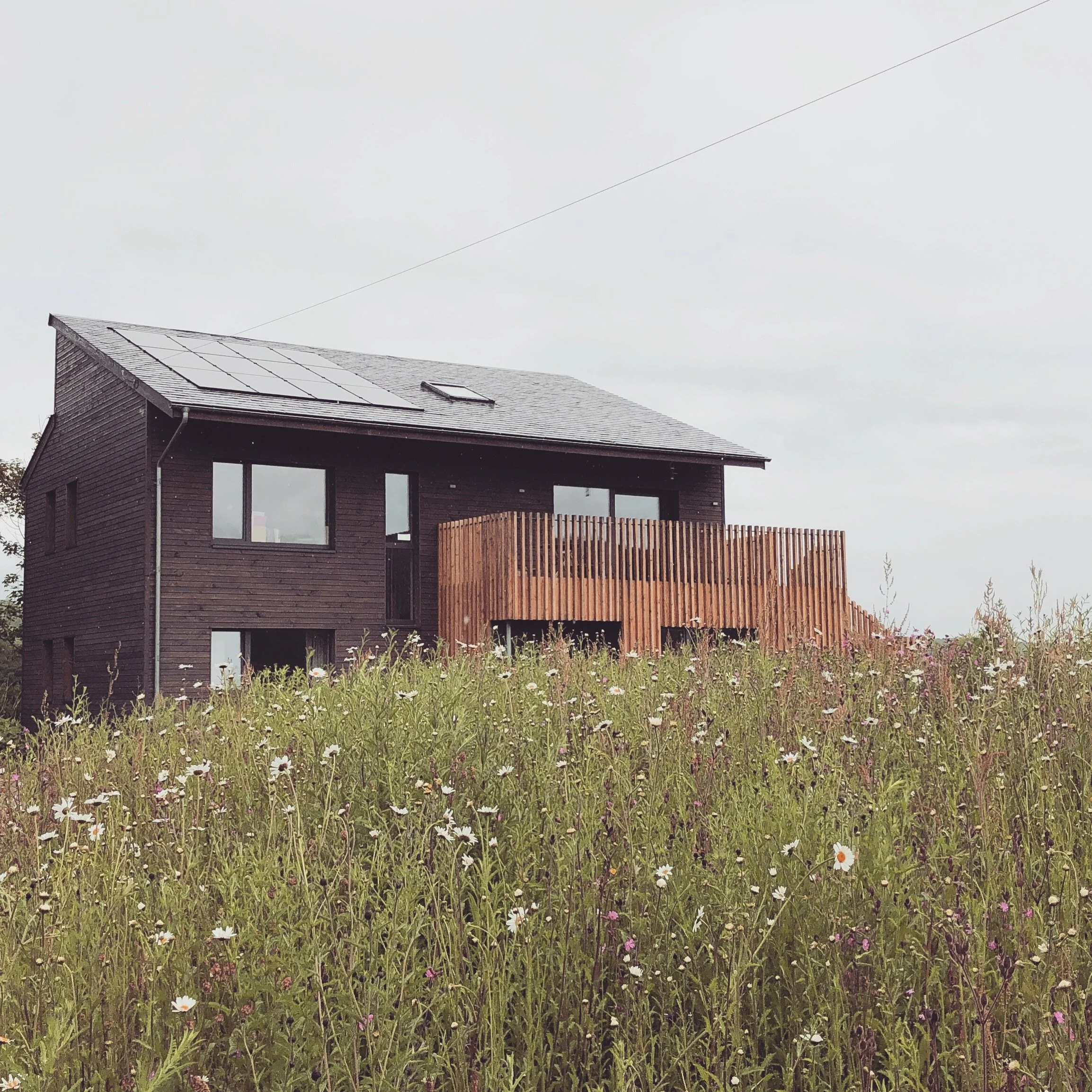
Hawksfield Low Energy Passivhaus
Our clients wanted to build a new home on a beautiful, rural plot of land adjacent to their existing house in the village of Clifford, Herefordshire. They wanted a home that would be more manageable in scale and more cost-effective to run, allowing them to live more sustainably. They also needed space to run their rural business and to grow organic produce on their plot.
Frequently Asked Questions
-
Building to the Passivhaus standard offers exceptional comfort, health and energy performance. At its core, Passivhaus focuses on creating a well‑insulated, airtight, and carefully detailed building that uses very little energy to heat or cool.
Key benefits include:
Ultra‑low energy bills - Passivhaus buildings require dramatically less heating and cooling, reducing running costs year‑round.
Consistent comfort - High levels of insulation, airtightness and triple glazing eliminate cold spots and draughts, keeping temperatures stable throughout the home.
Healthy indoor air quality - Mechanical ventilation with heat recovery (MVHR) provides a constant supply of filtered fresh air, reducing pollutants, allergens and moisture‑related issues.
Durability and resilience - Careful detailing and moisture‑aware construction reduce the risk of condensation, mould and fabric decay, helping the building perform well over its lifetime.
Reduced carbon footprint - Lower energy demand means significantly lower operational carbon, supporting long‑term sustainability goals.
A calm, quiet home - The high‑performance envelope also provides excellent acoustic insulation from external noise.
Passivhaus isn’t just about efficiency - it creates buildings that feel comfortable, healthy and enjoyable to live in, while keeping energy use to a minimum. If you’d like to explore whether it’s right for your project, we’re always happy to discuss it.
-
Although they sound contradictory, airtight and breathable describe two different - and complementary - aspects of a healthy, low‑energy building.
Airtight (draught‑free) construction
Airtightness prevents warm air leaking out and cold draughts entering through gaps in the building fabric. This improves energy efficiency and comfort. Fresh air is still provided through controlled ventilation - either by opening windows or through mechanical ventilation with heat recovery, which supplies filtered, pre‑warmed air in winter.
Breathable (moisture‑regulating) construction
“Breathable” refers to how materials handle moisture, not air. Breathable materials allow water vapour to pass through, absorb and release moisture, and dry out safely. This reduces the risk of mould, condensation and structural decay, helping maintain a healthy indoor environment.
How they work together
Airtightness keeps the building warm and efficient; breathable materials manage moisture within the structure. Used together, they create buildings that are comfortable, durable and healthy — even if the terminology can be a little misleading.
-
Building to the Passivhaus standard typically costs around 5–10% more than a conventional build, though recent UK studies show that with an experienced team and a simple design, the uplift can fall to around 4–8%, and potentially as low as 4% as the supply chain matures.
Why is there an additional cost?
The uplift mainly comes from:
Higher‑performance components (triple glazing, extra insulation, airtightness products)
More detailed design and coordination
Additional quality assurance and testing required for certification
Why the extra cost is reducing
As Passivhaus becomes more common in the UK, supply chains, contractor skills and design experience are improving - which is steadily lowering the premium. Some local authorities and developers now report costs only slightly above standard construction.
Long‑term value
Although upfront costs are higher, Passivhaus buildings offer:
Extremely low energy bills
Better comfort and indoor air quality
Reduced maintenance and long‑term performance risks
For many clients, these long‑term savings and benefits outweigh the initial uplift.
If you’d like to explore what Passivhaus might mean for your project and budget, we’re always happy to talk it through.
-
You don’t have to use a specialist Passivhaus contractor, but it can make a significant difference to cost, quality and peace of mind.
Passivhaus relies on excellent workmanship — particularly around airtightness, insulation and thermal bridge‑free detailing. Contractors who have experience with Passivhaus or low‑energy construction are already familiar with these requirements, which reduces the risk of mistakes, delays or costly rework.
That said, many non‑specialist contractors can successfully deliver a Passivhaus project with the right support, training and supervision. We work closely with the contractor throughout the build, provide clear details and sequencing, and carry out regular site inspections to help ensure the design intent is achieved.
How We Work - Low Energy Design
As a practice working at the forefront of low-carbon design, we embrace innovation both in our design processes and construction methodologies and have a strong track record of utilising modern construction methods to meet our client’s brief requirements.
We use Revit, an integrated 3D building modelling software that allows us to coordinate design team information early in the design process, enabling clash detection and the optimisation of the building fabric. It also allows us to generate graphics and fly-throughs for our clients to fully understand and test proposals.
As certified Passivhaus CEPH designers and AECB members, we use energy modelling from early design stages to test the proposals and ensure they maximise energy efficiency in the most economical ways, ensuring whole life costings are considered, as well as upfront capital costs.