
Pattern in Architecture
For many clients, pattern in architecture can seem like a purely aesthetic decision; something decorative, optional, or stylistic. At Arbor Architects, we see pattern differently. Pattern is a practical and cultural tool that helps shape how buildings are experienced, how they age and how they connect to place.
When carefully considered, pattern not only enhances durability and defines identity but also adds long-term value.
What Do We Mean by Pattern?
In architectural terms, pattern is not simply ornament. It is the repetition and variation of materials, details and construction elements that give a building character and legibility. This might include brick bonds, timber cladding profiles, metal fixing details, façade relief or internal joinery.
Pattern helps break down scale, soften mass and create surfaces that respond to light and movement. For clients, this means buildings that feel welcoming and human rather than flat or anonymous.
Why Pattern Matters to Clients
Pattern directly influences how a building is perceived and used. At Arbor Architects, we use pattern to:
Give a project a distinct identity without relying on fashionable forms
Reference local traditions and materials, helping new buildings sit comfortably in their context
Improve visual longevity, reducing the risk of a building feeling dated
Add richness at close quarters, enhancing the everyday experience
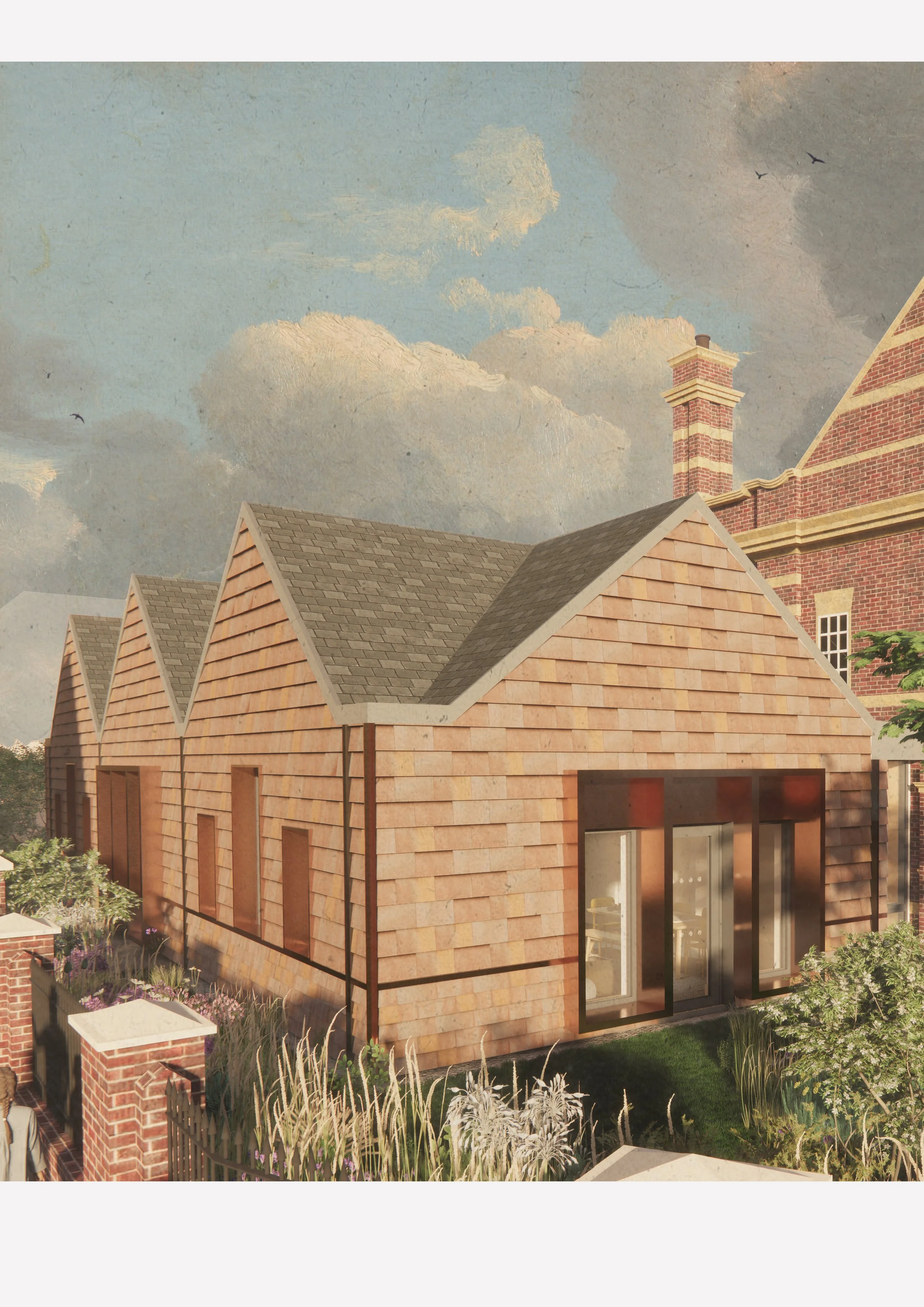
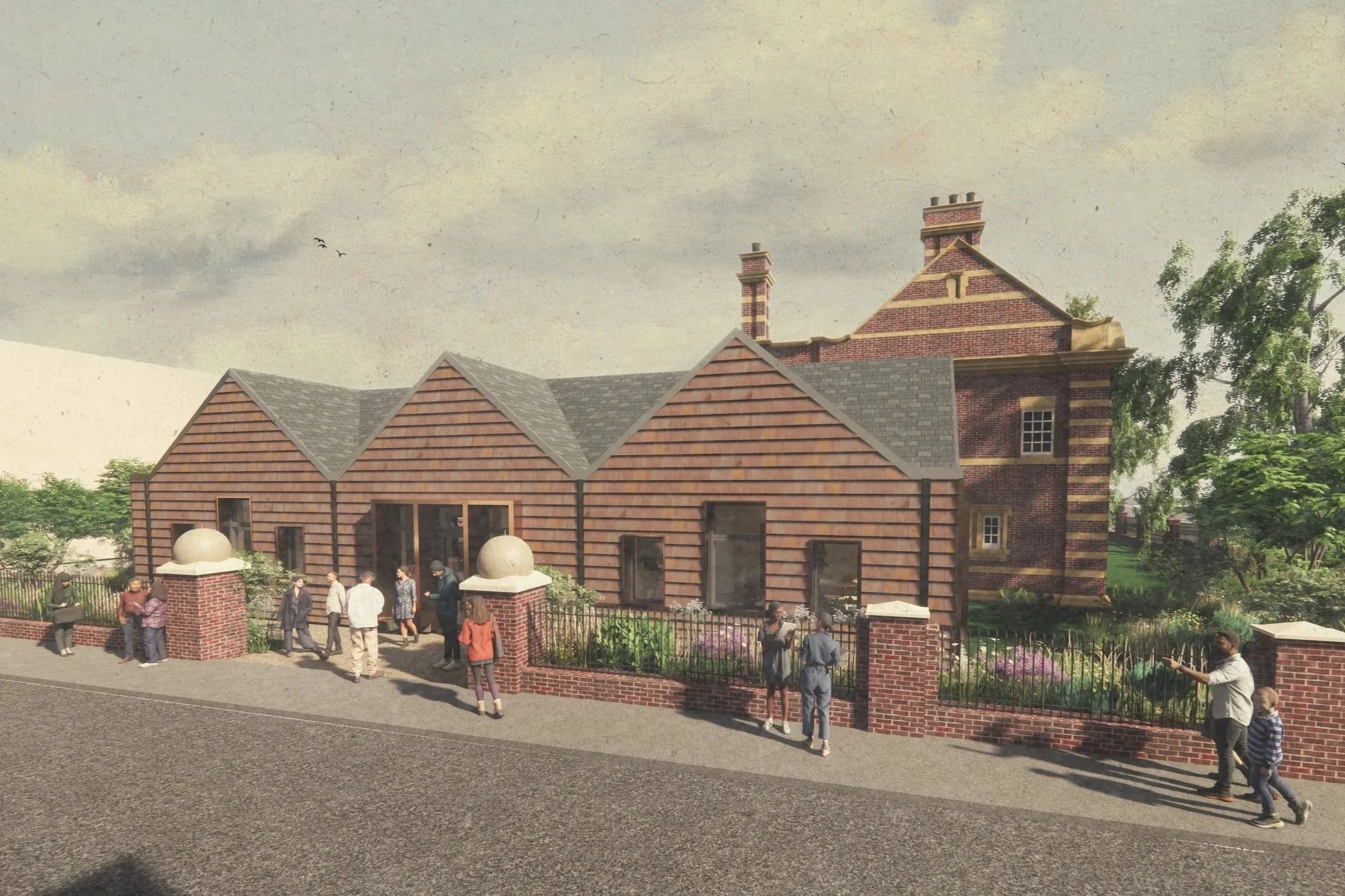
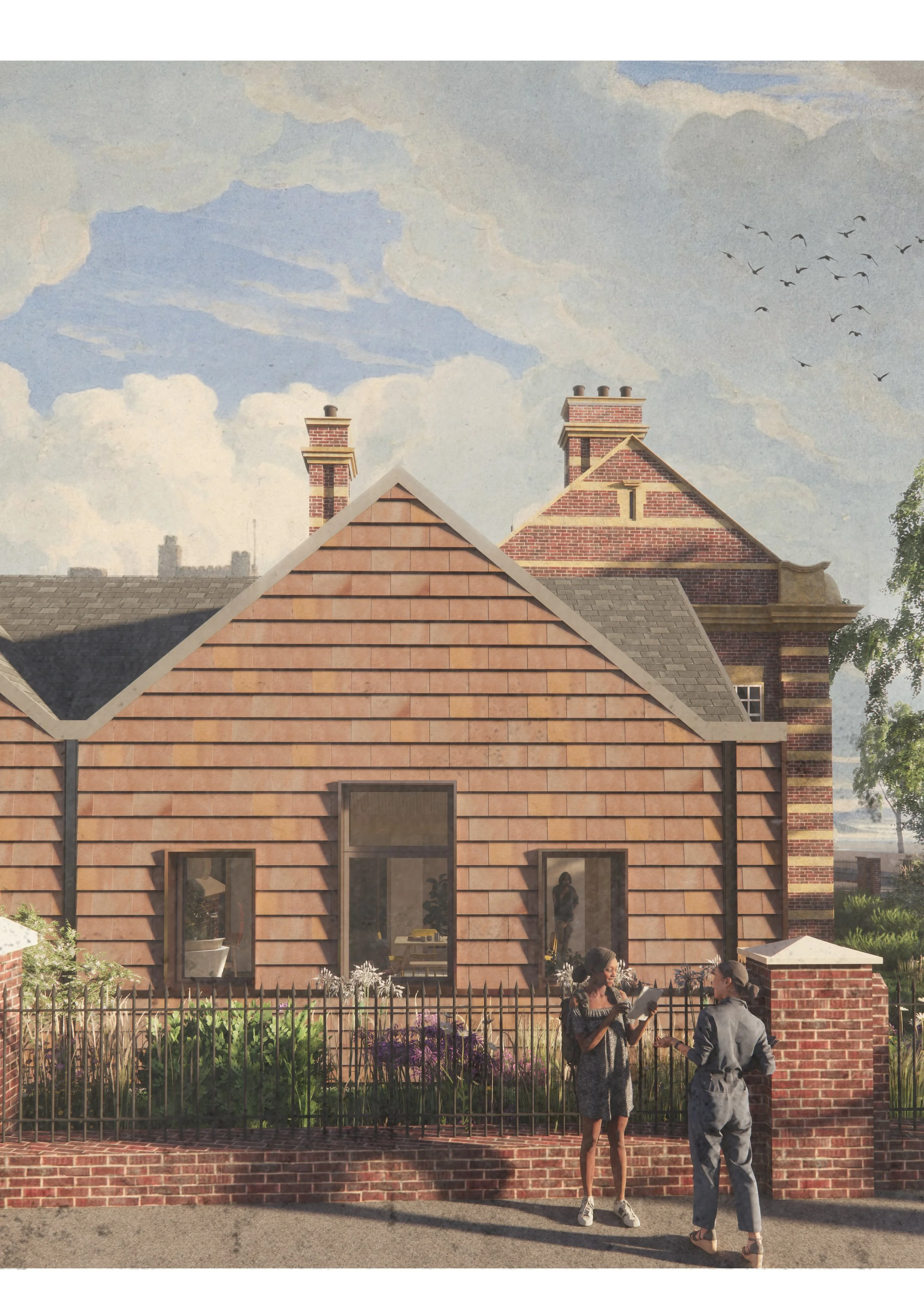
In several recent Arbor Architects projects, subtle variations in cladding profile and façade depth have allowed relatively simple building forms to gain character and presence. This is demonstrated with the hung clay tiles pattern at NMITE’s Centre for Innovation and Future Skills. Not only do the tiles vary in width above and below a datum line, but regular recessed downpipes and protruding window frames in the façade define the repeating geometry of the elevation, creating rhythm and animation along the street frontage. These details do not increase complexity unnecessarily; instead, they make efficient construction feel intentional and considered.
Pattern as a Reflection of Culture and Place
Every project sits within a cultural and social context. Pattern allows architecture to acknowledge this without imitation or pastiche. By studying local materials, construction methods, and historic precedents, we develop contemporary patterns that feel rooted rather than generic.
This approach is particularly valuable in conservation areas, sensitive landscapes, and community-focused projects, where new buildings must balance individuality with respect for their surroundings.
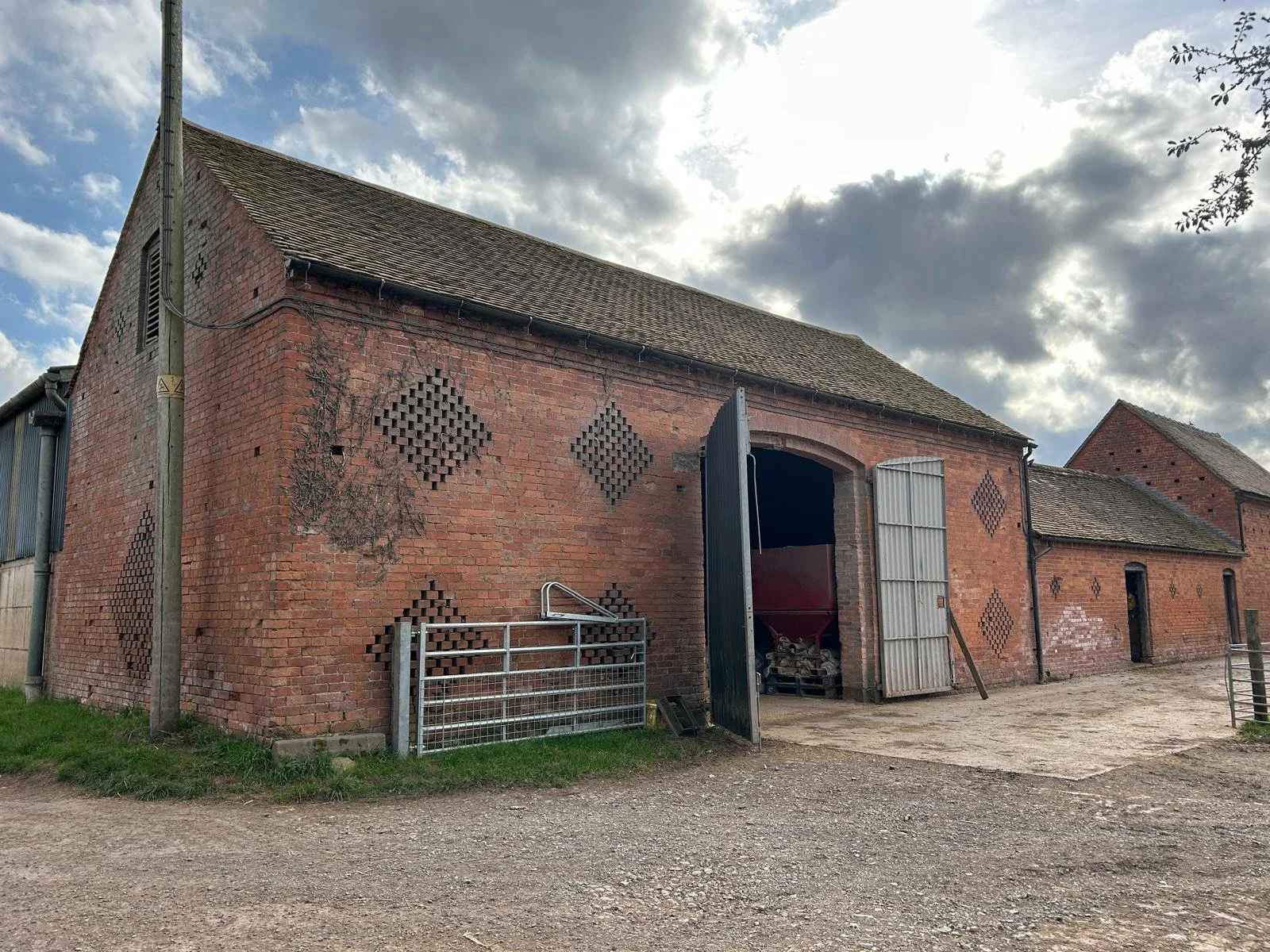
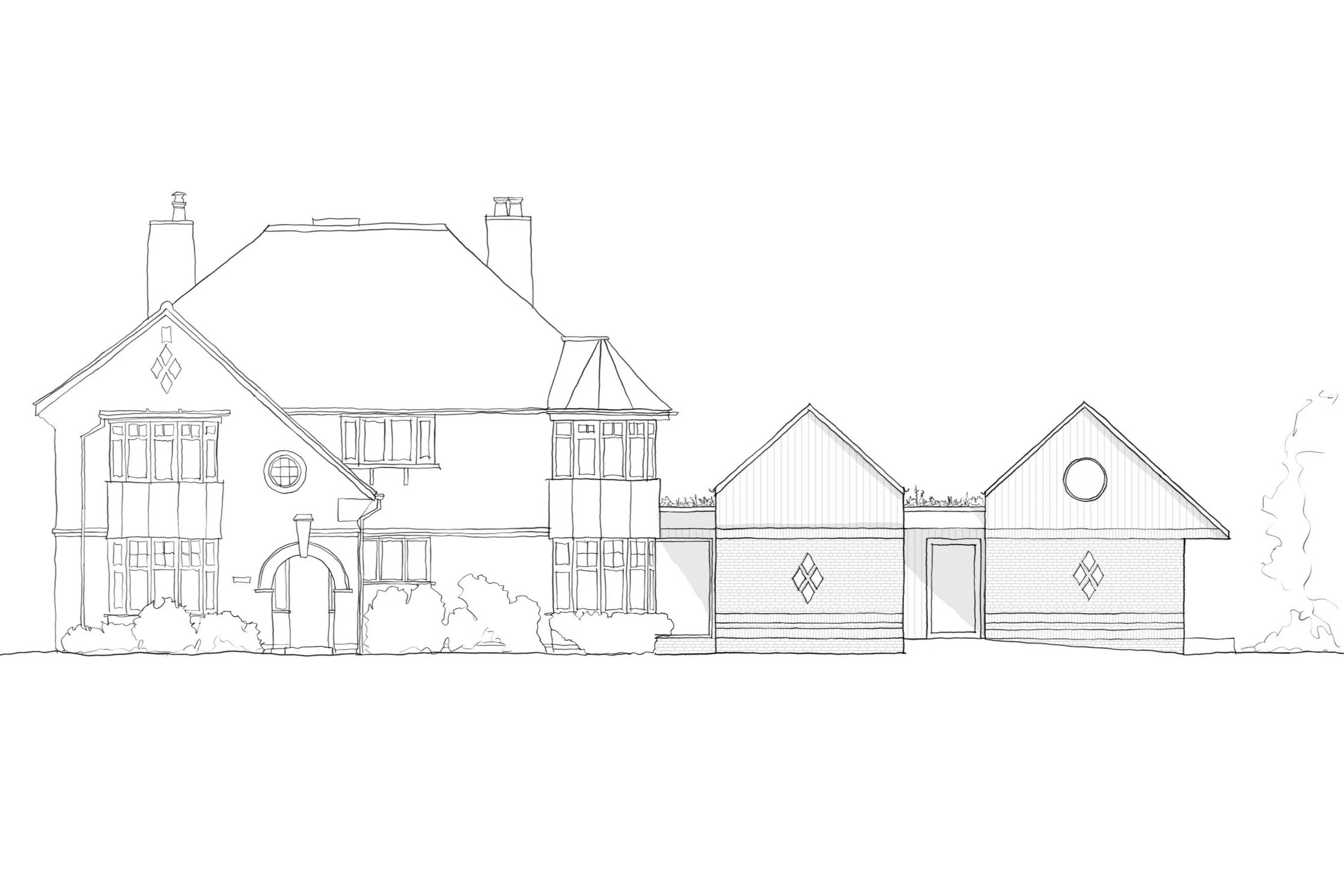
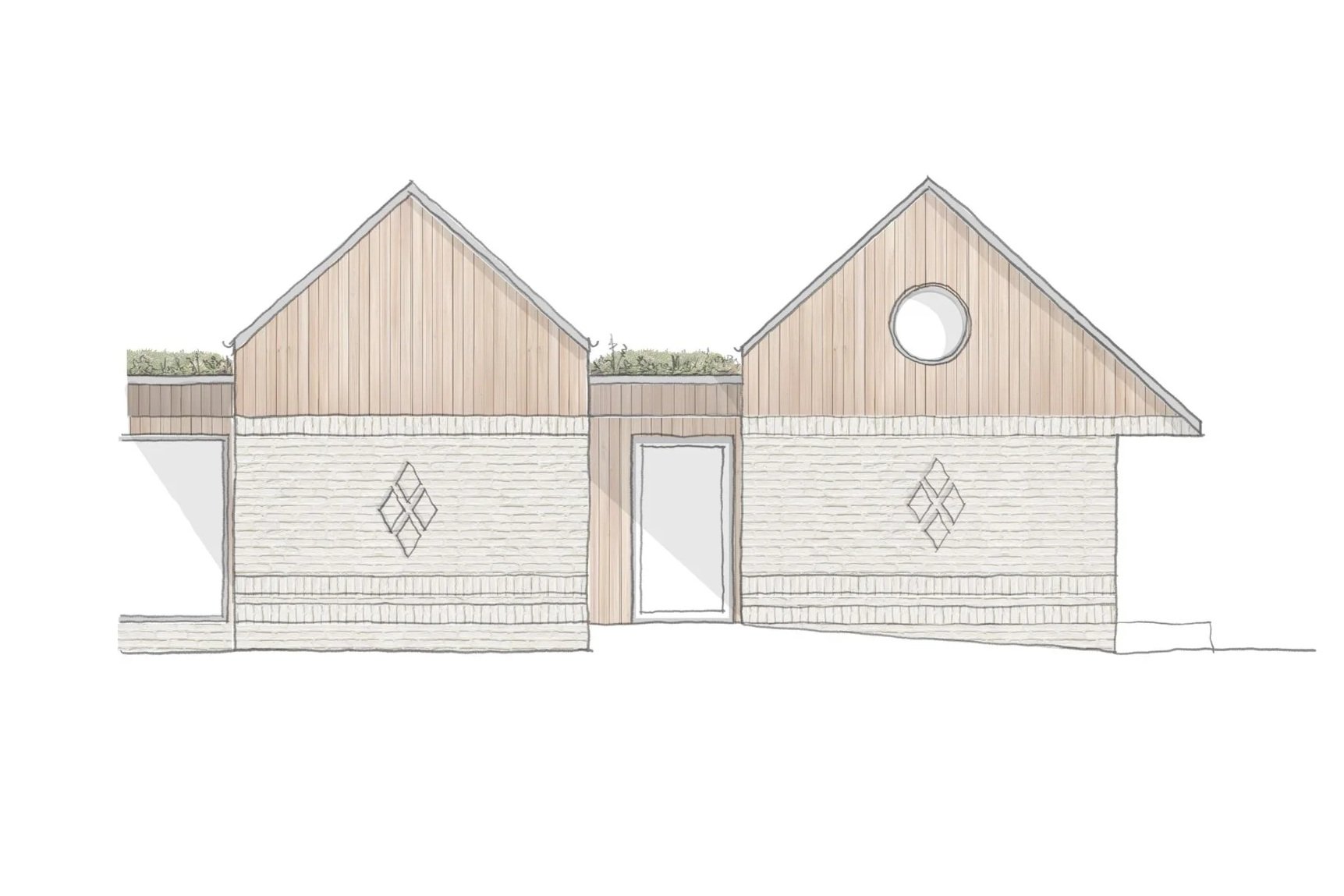
We are currently exploring the use of brick pattern in a residential project near Tenbury, where many local farm buildings incorporate triangular brickwork motifs. These patterns historically served both practical and aesthetic purposes, allowing for natural ventilation while giving the buildings a distinctive local character. By carefully interpreting the scale and proportion of these triangular forms within the brickwork of our proposed extension, we are rooting the new architecture firmly within the established vernacular of the area.
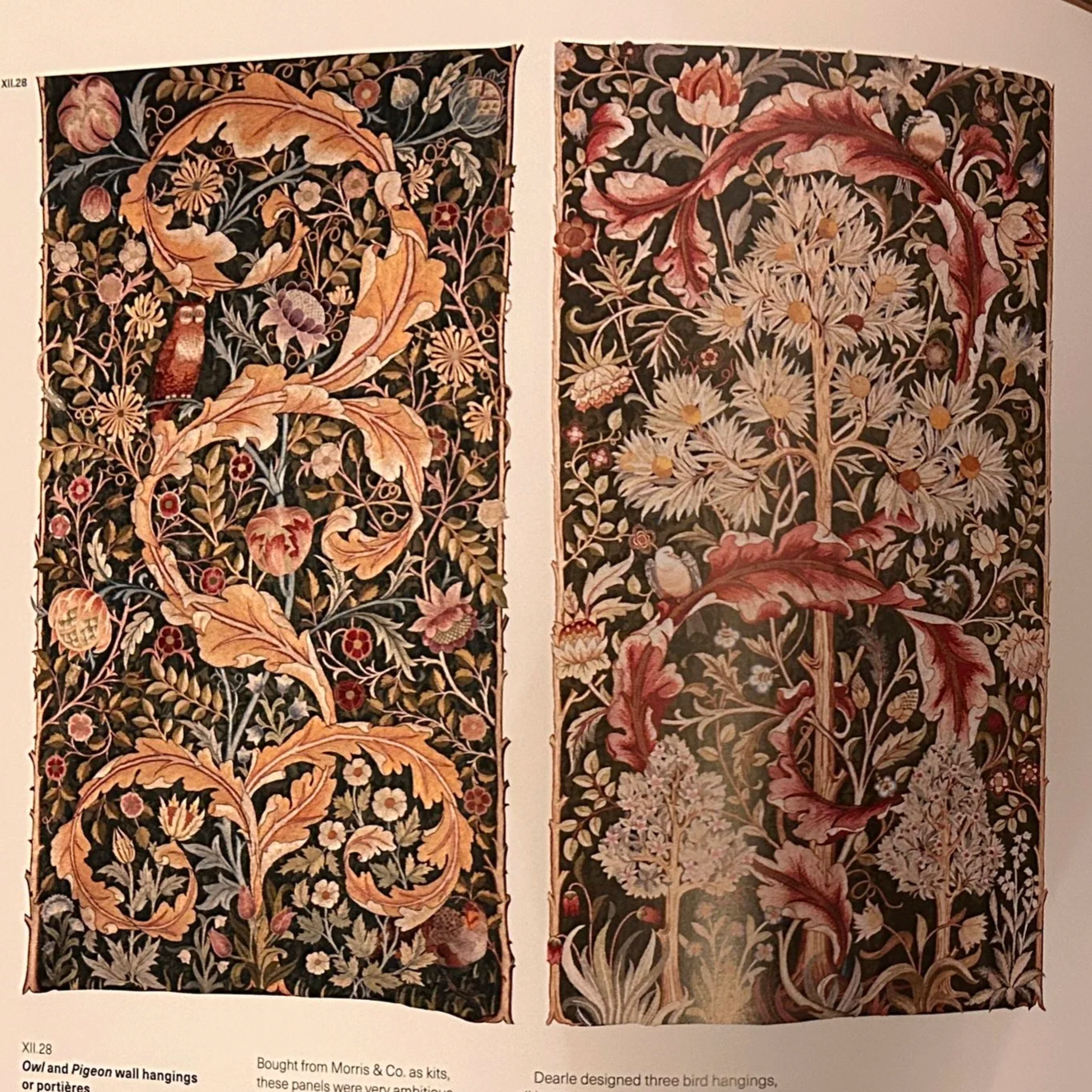
The Influence of William Morris
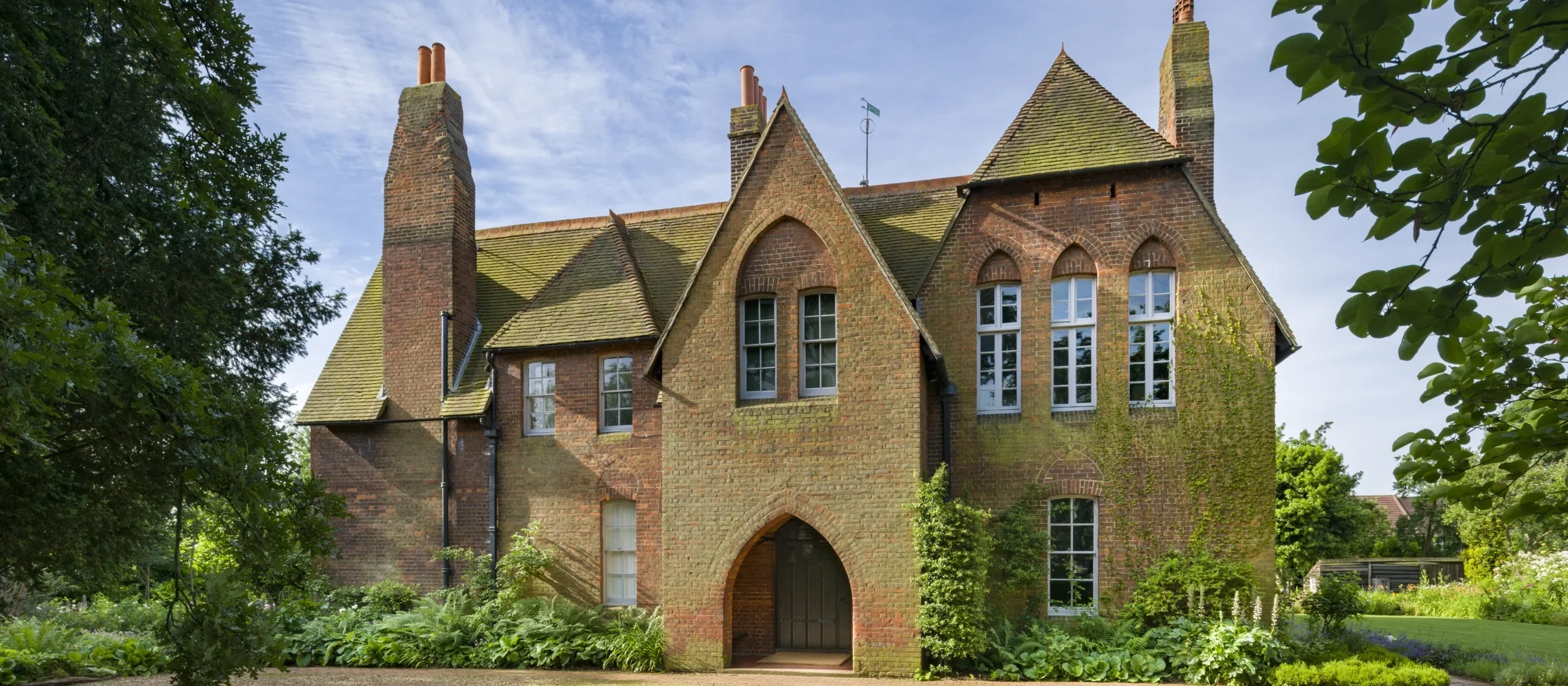
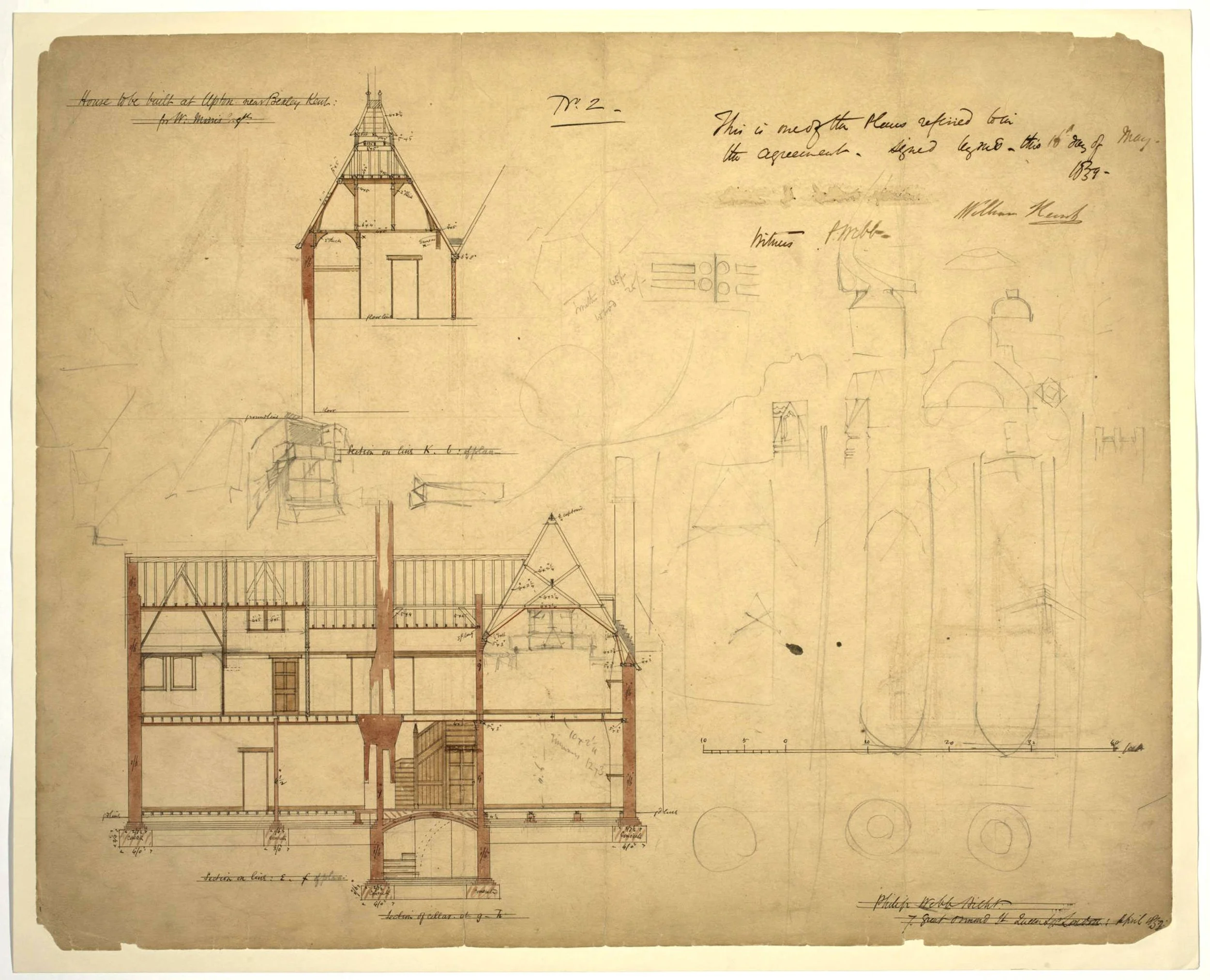
My personal admiration for William Morris lies not only in his patterns, but in the values that underpinned them. Morris understood pattern as inseparable from labour, material honesty and social responsibility. His work rejected the false division between art and craft, arguing instead that beauty should arise from meaningful making.
Morris’s patterns were never superficial. They grew from an intimate understanding of natural forms, repetition, and variation; qualities that remain deeply relevant to architecture today. His insistence on craftsmanship as a moral act resonates strongly in contemporary practice, particularly at a time when architecture is increasingly distanced from the act of making.
At Arbor Architects, this philosophy informs how we work with makers, contractors and suppliers. Pattern emerges through collaboration; through understanding the constraints and opportunities of fabrication. Whether working with bricklayers to develop bespoke bonds or with joiners to refine timber cladding details, the process itself becomes part of the architectural outcome.
Longevity and Value
Good pattern contributes to a building’s long-term success. Textured materials and articulated surfaces weather better than flat, uniform finishes. They mask minor wear, record use and develop character rather than deterioration. In contrast to flat, undifferentiated surfaces, patterned architecture reveals its life rather than concealing it.
This idea of temporal richness is central to our work. We aim to design buildings that improve through occupation; where pattern becomes more pronounced as light shifts, materials weather and people engage with the architecture. This approach aligns with a broader belief that sustainability is not only about performance metrics, but about emotional durability: creating buildings that people care for and wish to keep.
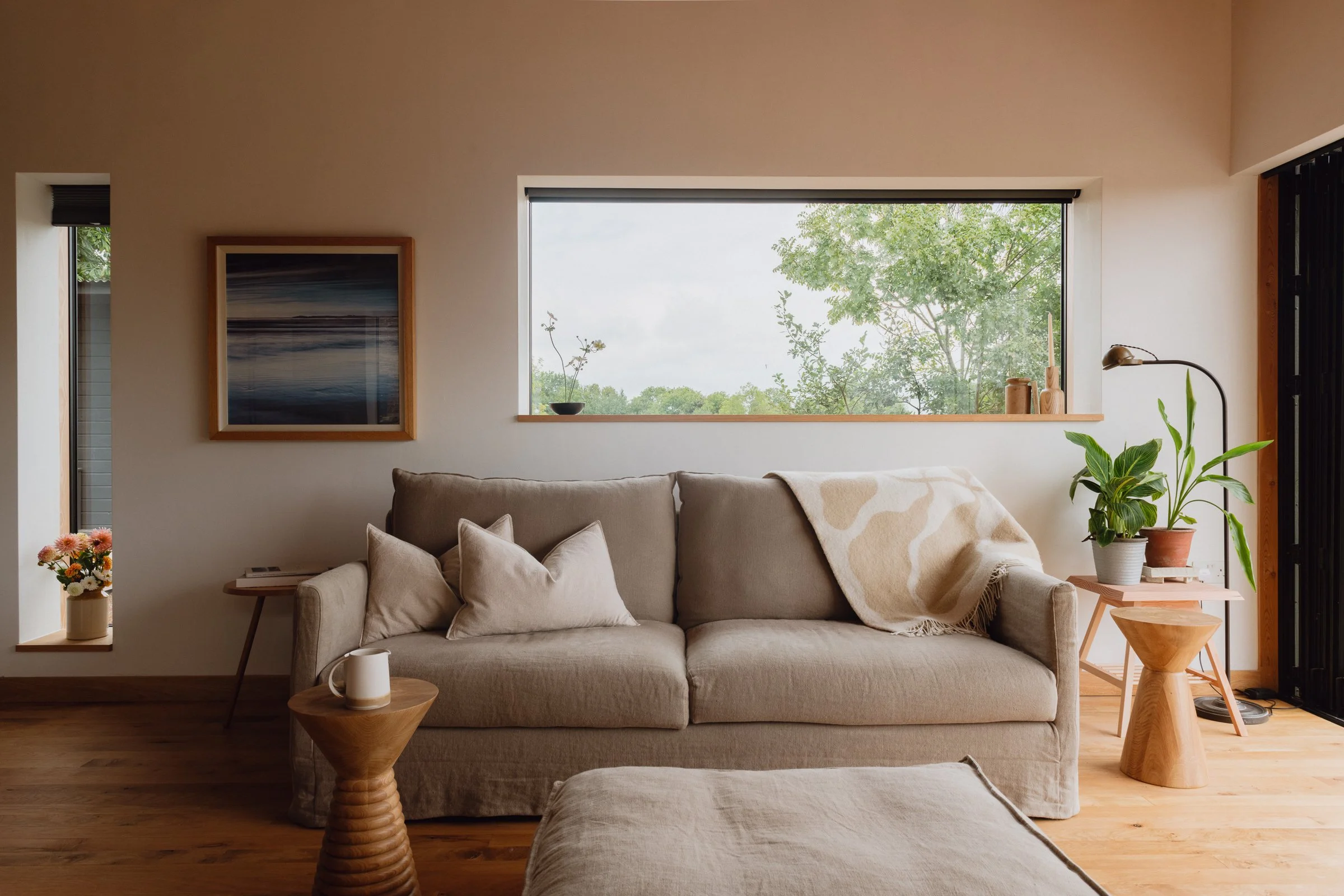
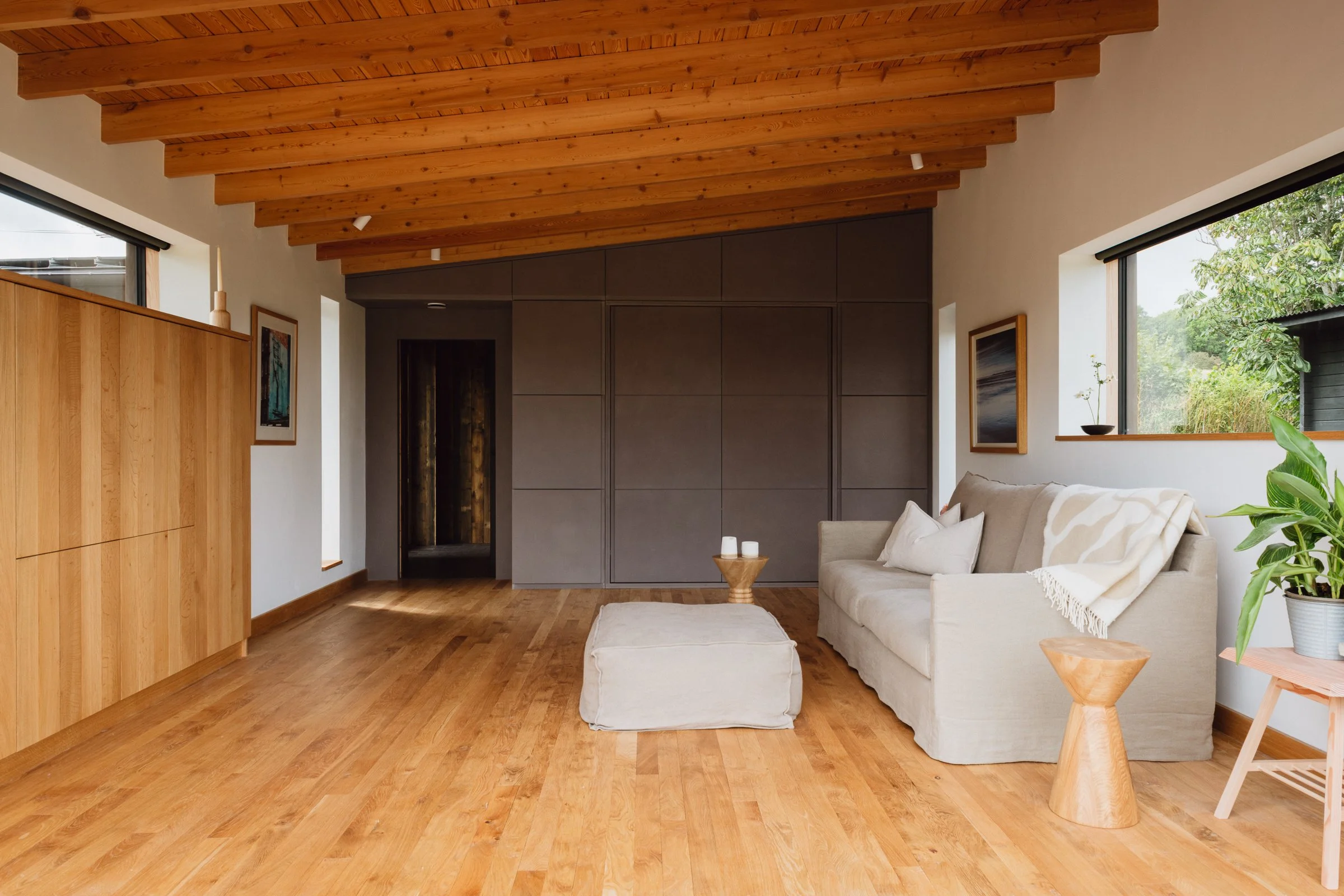
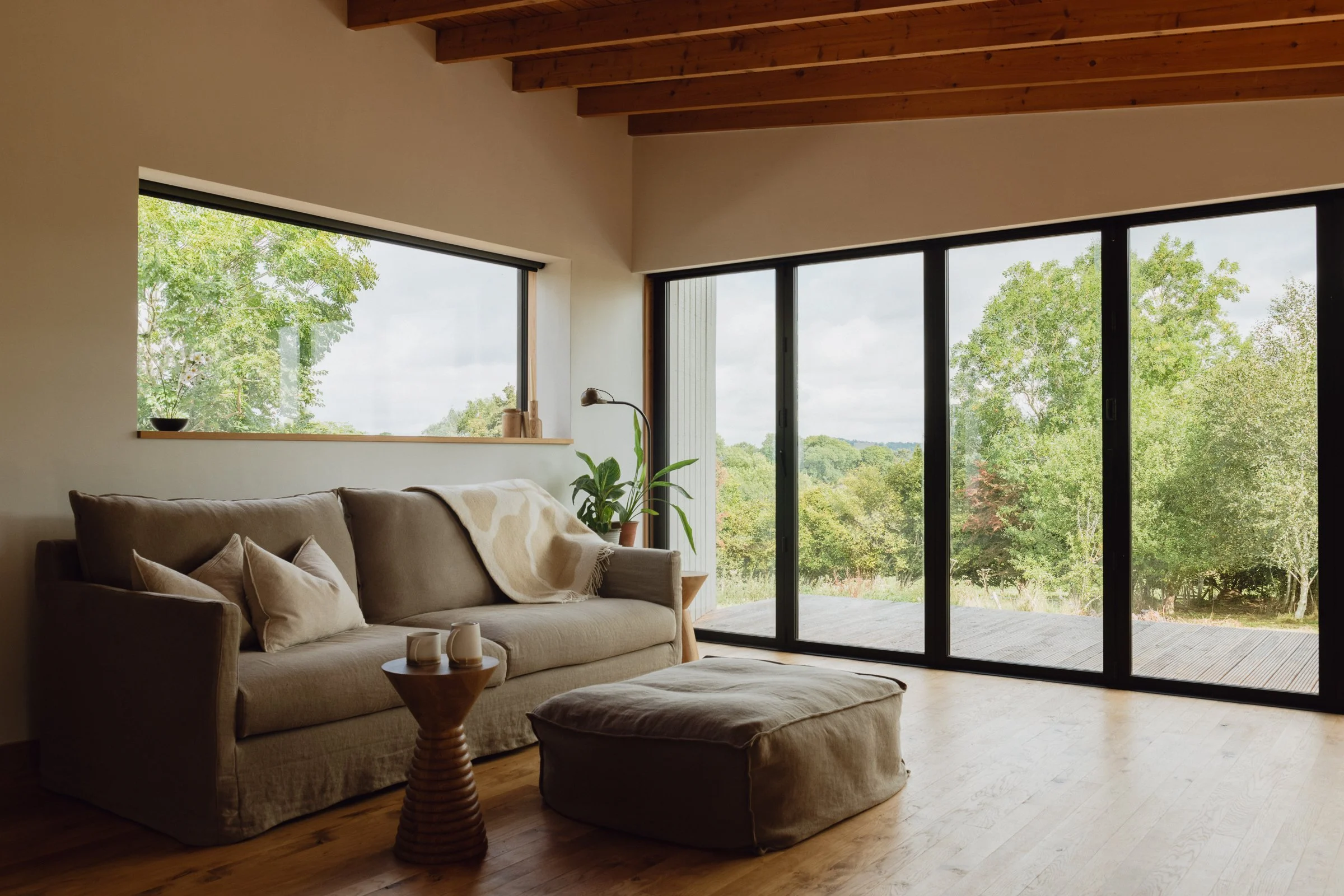
We see pattern as an integral part of good architectural design, not an added extra. From early concept stages, we consider how materials, structure, and detail can work together to create architecture that is practical, culturally aware, and enduring.
For our clients, this means architecture that is:
Thoughtful rather than fashionable
Grounded in craft and material intelligence
Designed to last; aesthetically and physically
Pattern, when used carefully, helps architecture feel complete. It connects buildings to people, place, and time; and that connection is at the heart of our work at Arbor Architects.