
Permission in Principle: A Quietly Powerful Tool for Small Development Sites
Understanding whether a site has genuine development potential can feel like a leap into the unknown. The planning system often asks for considerable investment long before it gives any certainty, particularly on sites with heritage, landscape or ecological sensitivities. Since 2016, however, a more measured route has been available: Permission in Principle (PiP).
For small residential schemes, PiP offers a straightforward way to establish whether a location is broadly suitable for new homes before entering the complexity of full design and technical detail.
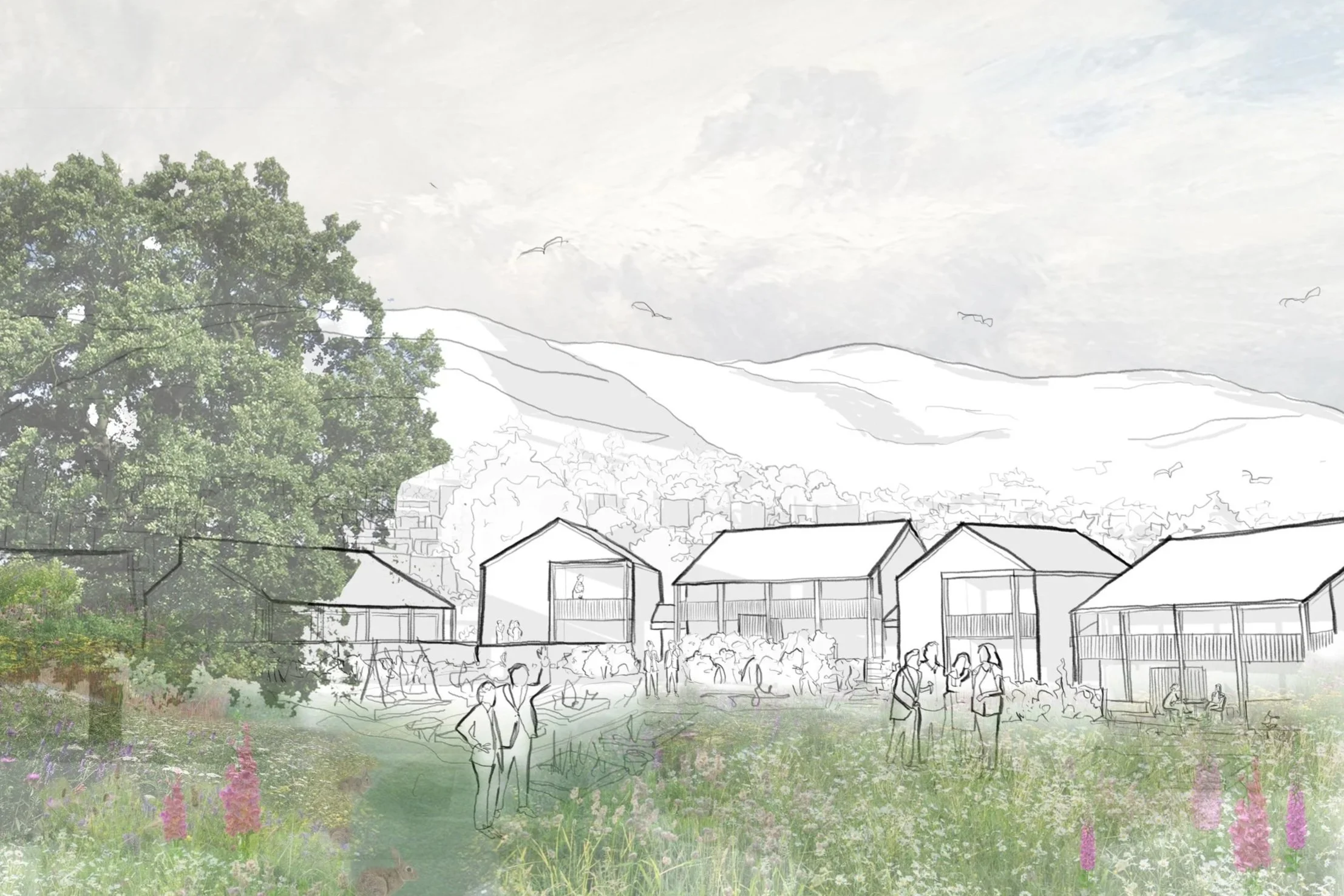
A Two‑Stage Approach
PiP separates the planning process into two clear steps. The first stage looks only at the essentials: where the site is, whether housing is an appropriate use, and how many homes might be supported. For PiP, this is limited to between one and nine dwellings on land under one hectare.
If the local authority agrees that these fundamentals are acceptable, the principle of development is granted. The second stage, known as Technical Details Consent, deals with design, access, heritage, ecology, drainage, landscaping and all the detailed matters that shape a finished scheme. Together, the two stages form a full planning permission.
Why PiP Matters
Over time, outline applications have become almost as demanding as full planning, requiring expensive surveys upfront and offering little reassurance until late in the process. PiP takes a different approach. It provides an early, focused decision - usually within around five weeks - without requiring the extensive reports that traditional applications often need.
This can make a significant difference for sites that sit outside settlement boundaries, fall within conservation areas, lie close to listed buildings, or carry environmental sensitivities. Instead of committing large sums early on, applicants can first establish whether the principle of development is supported. Only once that is confirmed does it become necessary to invest in detailed evidence and design.
A Helpful Route for Self‑Build
For clients exploring self‑build opportunities, PiP can be especially valuable. Local authorities have a duty to consider self‑build demand, and positioning a PiP application within this framework can help strengthen the case for development. A simple Unilateral Undertaking can also provide further reassurance that the eventual scheme will be delivered as self‑build scheme if required.
When PiP Is Likely to Succeed
Government guidance makes the intentions behind PiP clear: if there is a realistic prospect that a well‑designed scheme could be made acceptable at the Technical Details stage, then PiP should be approved. In other words, the decision rests on possibility rather than early justification.
In practice, some local authorities remain cautious, and applications on more challenging sites may still need to be resolved at appeal. Even so, PiP often remains one of the most cost‑effective ways to understand whether development on a site is achievable.
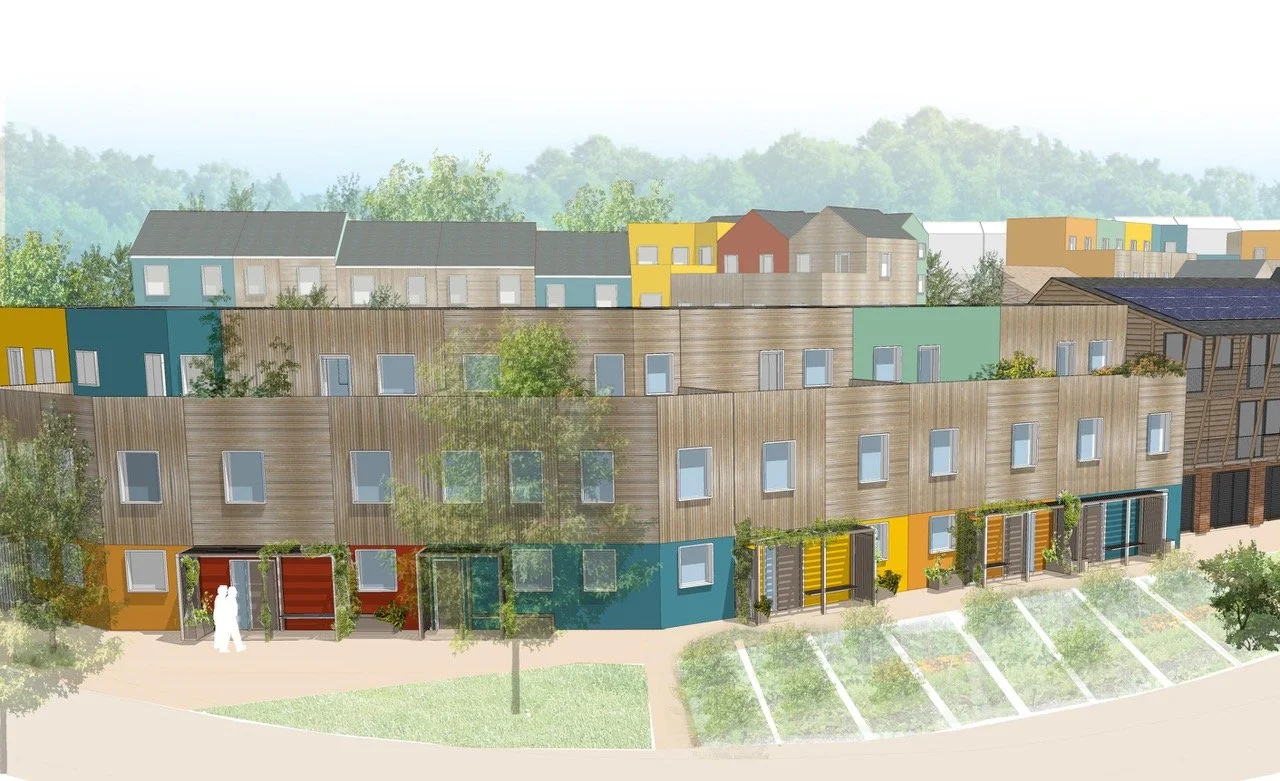
A More Accessible First Step
PiP is not a universal solution, but it does offer something rare: a genuinely simpler way into the planning system. For small residential schemes - particularly where constraints make early investment risky - it can provide clarity at the moment it is needed most.
At Arbor Architects, we help clients assess whether PiP is the right approach for their project and guide them through the process when it is. If you’re exploring the potential of a site and want a clearer understanding of what might be possible, we’d be very happy to talk through the options.