
Designing for Protected Landscapes
There is a profound difference between a building that sits on the land and one that feels as though it grew from it.
We are firm believers that architecture should belong to its landscape. This philosophy becomes even more vital when that landscape is protected, whether it's the iconic rolling hills of the Cotswolds, the ancient wooded slopes of the Forest of Dean, or the serene river valleys of Herefordshire.
For us, a site's designation as an Area of Outstanding Natural Beauty (AONB) or a Conservation Area isn't a hurdle to be cleared. Instead, these protections serve as a blueprint for quality, guiding us toward timeless and considered design.
When we approach a Design and Access Statement for a protected site, we aren't just selling a visual; we are positioning our proposal for the long-term health of the area. We demonstrate how contemporary living needs (light, volume, and energy efficiency) can be woven into the existing fabric of the area without detracting from it.
The Vernacular as a Blueprint
Designing within sensitive areas requires more than an aesthetic eye; it requires a specialised understanding of how to balance contemporary living with heritage constraints. Our process begins with a deep dive into the local vernacular, the traditional building languages that have defined these regions for centuries.
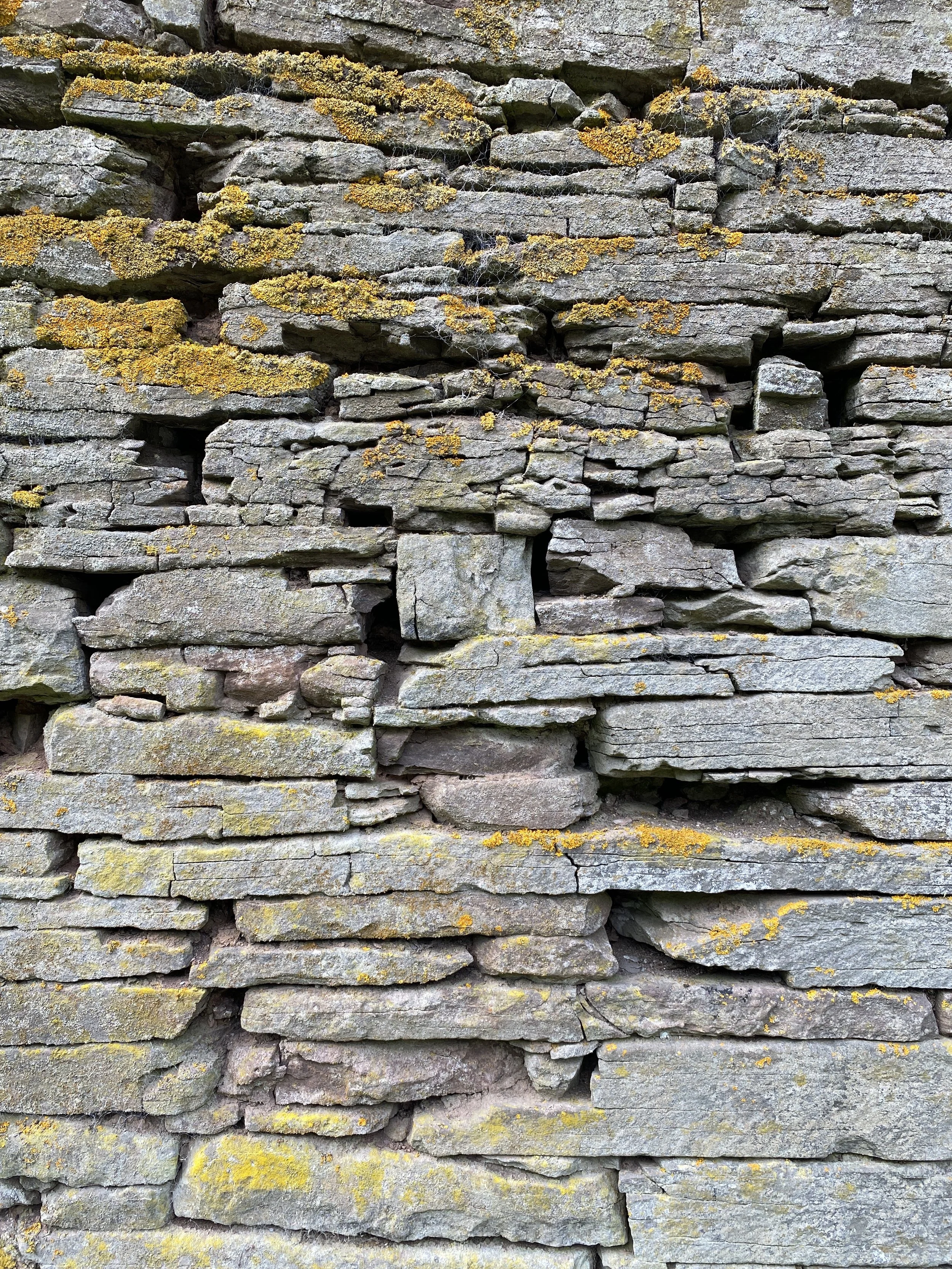
By studying the way a dry-stone wall meets a slope or how a roofline mimics the horizon, we can create homes that respect history while functioning for modern life.

Sourcing from the Earth
Sustainability and heritage often go hand in hand. To ensure our projects age gracefully, we prioritise materials that reflect the landscape and surroundings:
Local Stone: Using stone from nearby quarries ensures the colour palette perfectly matches the geological DNA of the area.
Locally Sourced Timber: We often specify locally grown timber cladding that hasn't been over-treated, allowing it to develop a silver-grey patina over time that echoes the bark of surrounding trees.
Biodiversity: Designing for the Ecosystem
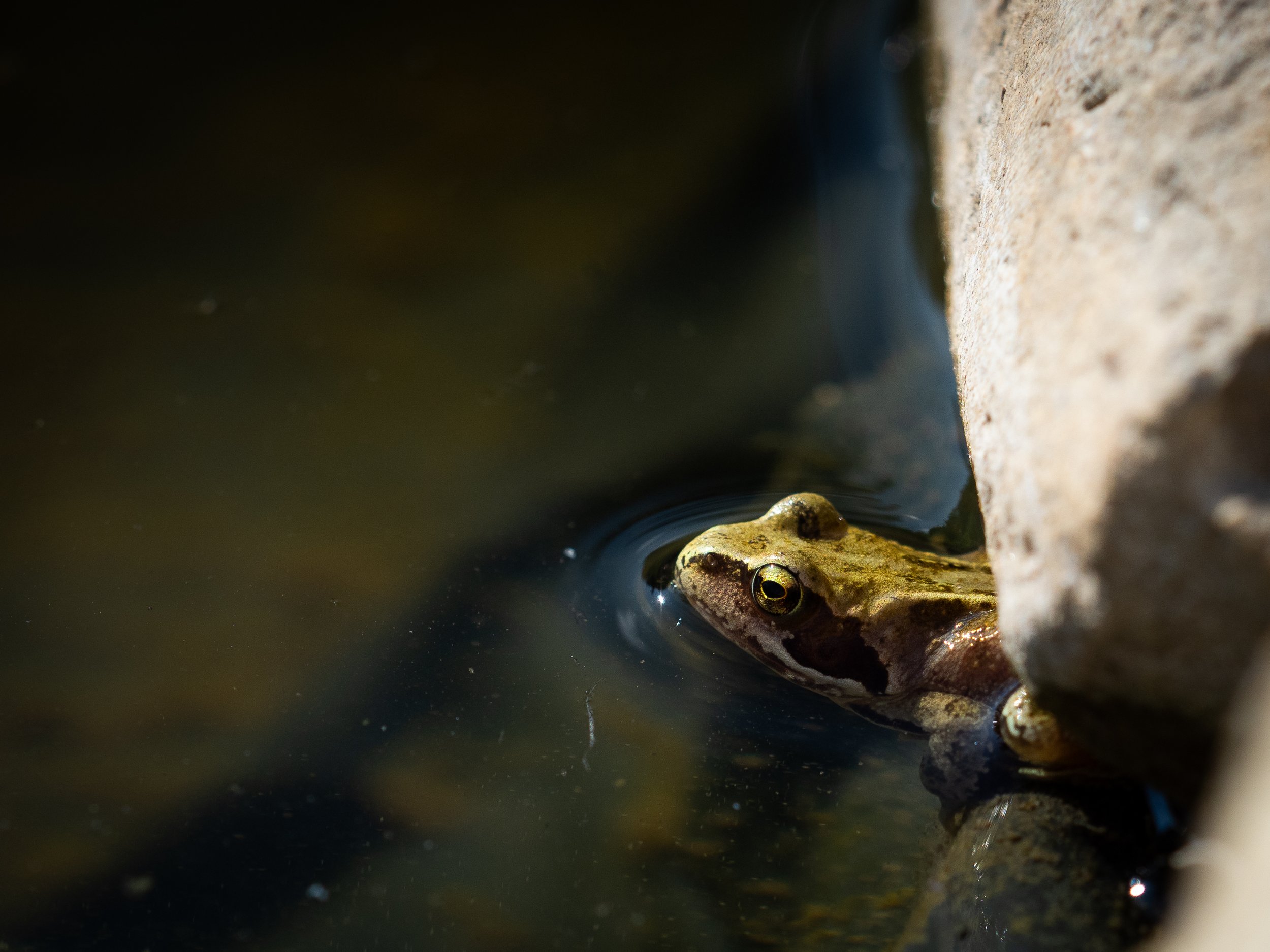
In an AONB, your plot of land will be part of a wider ecological system that will have both historic and aesthetic value. We don't just minimise impact; we look for opportunities to repair and enhance this landscape setting.
Our designs often incorporate:
Dark-Sky Compliant Lighting: Utilising directional, low-level lighting to protect the nocturnal habits of local bat and owl populations.
Habitable Roofs: Integrating green roofs that provide insulation and crucial corridors for pollinators.
Landscape Permeability: Moving away from hard boundaries, we encourage the use of traditional hedgerows and wildflower borders that connect the site to the wider rural landscape.
More Than a Dwelling
By honouring the character of these special places, we create homes that don't just occupy space, they provide a sense of permanence. They feel as though they have been part of the landscape for generations, and they are built to last for many more.
Navigating Your Project
Are you planning a build in a sensitive location? Navigating the planning complexities of Conservation Areas and AONB’s requires a steady hand and an empathetic approach to design. We’d be delighted to guide you through the process, drawing from our rich and varied experience with sensitive sites.