
Navigating the 2026 Biodiversity Net Gain (BNG) Regulatory Changes
Biodiversity Net Gain has been a defining feature of the planning system since it became mandatory for most developments, requiring schemes to meet measurable ecological improvements. It has also, for smaller sites and self-builders in particular, added a layer of complexity that often felt disproportionate to the scale of the project.
The UK Government has now introduced significant updates to the BNG regulations, recalibrating how the rules apply to small-to-medium developments. For Arbor clients working on infill plots, extensions, self-builds, and regional housing schemes, this is a meaningful shift in how ecology and planning meet on your project. And it isn't finished yet, several further changes are already confirmed or under consultation for later in the year.
Here is a breakdown of what has changed, and what's still to come.
1. The New 0.2-Hectare Site Exemption
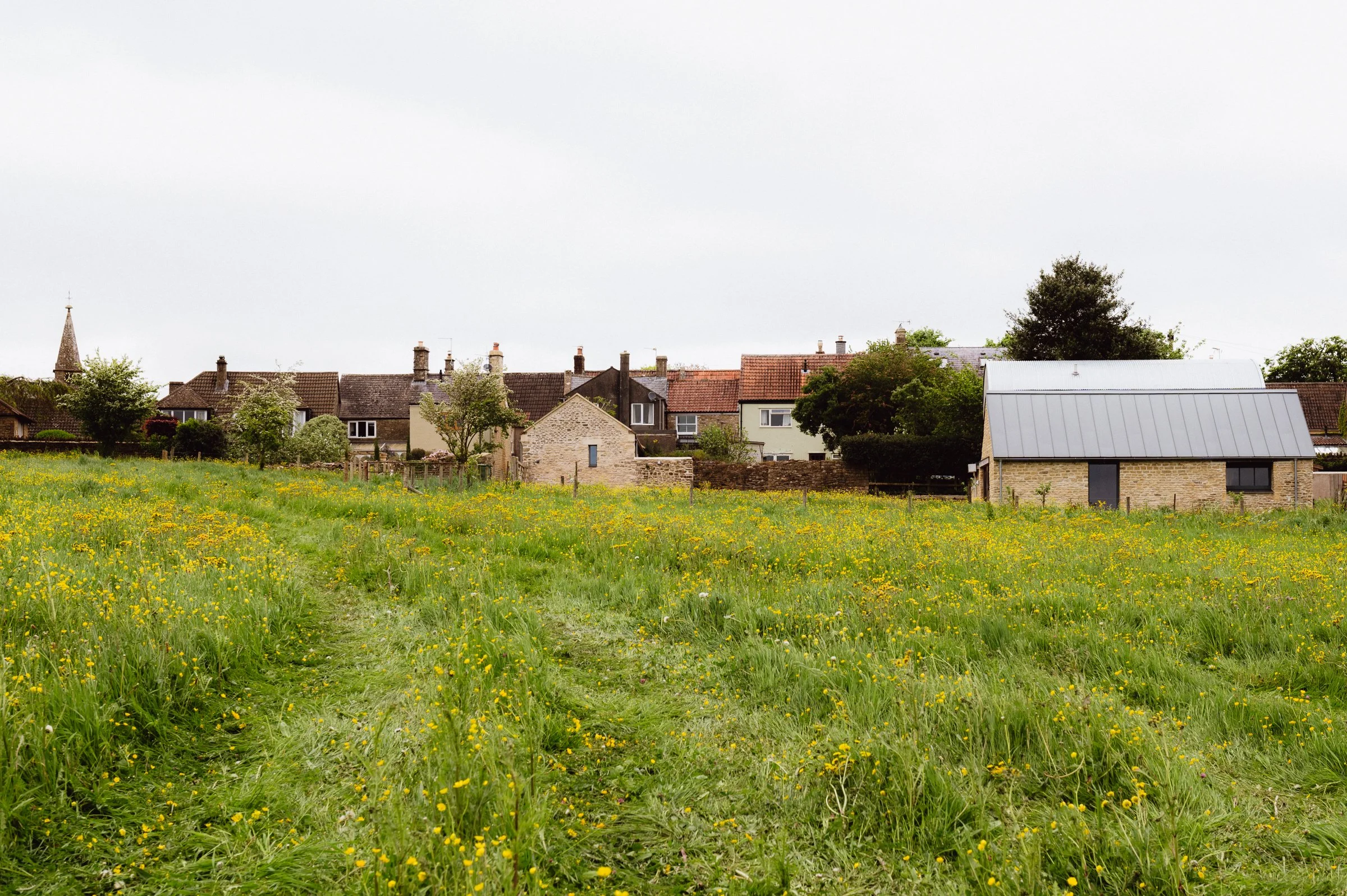
Sites with a red-line boundary of 0.2 hectares or less are now generally exempt from the mandatory 10% BNG requirement, provided they do not negatively impact priority habitats. For context, this covers the majority of single-plot infill sites, garden plots, and smaller residential schemes that have historically found the BNG metric process disproportionately tricky relative to their scale.
Arbor Insight
This is a welcome recalibration, but "exempt" doesn't mean "irrelevant." Priority habitat protection still applies at any scale, and we continue to check this at the earliest site assessment stage, before it becomes a planning risk later.
2. Flexibility for Minor Developments
For non-exempt minor developments, those over the 0.2-hectare threshold, the strict BNG hierarchy has been relaxed. Previously, on-site habitat creation was expected to take clear priority over off-site gains. Under the updated rules, onsite habitat creation or enhancement and registered offsite biodiversity gains can be considered at the same stage, and applicants will no longer have to demonstrate that onsite delivery has been considered before using registered offsite gains.
Arbor Insight
Equal priority doesn't mean off-site is now the easy option. A well-integrated on-site strategy still tends to produce the stronger planning outcome and the better place to live. This change is about removing unnecessary constraint, not encouraging developers to design ecology out of the site.
3. Self-Build & Custom Build Exemption Removed, in Practice, Little Changes
The standalone self-build exemption has been retired, no longer applying to planning applications made on or after 6 August 2026. On its own, this sounds like a tightening of the rules for individual self-builders. In practice, most individual self-build plots naturally fall under the new 0.2-hectare site boundary threshold, keeping them exempt regardless.
4. Temporary Works Exemption
Developments granted temporary planning permission for five years or less are now exempt from BNG requirements, provided the land is fully reinstated afterwards and no priority habitats are harmed. This recognises that delivery of BNG on these sites is limited due to their temporary nature.
5. What's Still to Come in 2026
The changes above are just the first phase of a wider reform programme, and several further updates are confirmed or under active consultation for later this year:
BNG arrives for major infrastructure. From 2 November 2026, a new duty to deliver a minimum 10% net gain in biodiversity will attach to applications for development consent submitted for nationally significant infrastructure projects such as roads, railways, and energy networks. The NSIP regime will be more front-loaded than the existing system, encouraging biodiversity impacts and mitigation to be addressed during the pre-application stage.
New exemptions for biodiversity-led and community schemes. Further secondary legislation is expected later in 2026 to exempt development whose primary objective is to conserve or enhance biodiversity, and to exempt targeted development that enhances parks, playing fields and public gardens.
A possible brownfield residential exemption. The government's response to a possible targeted exemption for residential development on brownfield land is still to come, and could shape how BNG applies to regeneration and infill housing schemes specifically.
Updates to the statutory biodiversity metric. Changes to the statutory biodiversity metric are expected, including reforming the spatial risk multiplier so that it is based on Local Nature Recovery Strategy areas, alongside updated metric tools and user guidance expected later in 2026, subject to parliamentary scheduling.
Arbor Insight
This is a live, phased reform, not a single rule change. Our approach is to check a project against the rules in force at the point of application, not assume the picture from six months ago still holds. For anything moving through pre-application now, it's worth flagging where a scheme might benefit from, or be affected by, a change still working its way through consultation.
Our Take on BNG
While thresholds have shifted to streamline smaller schemes, our view hasn't changed: integrating landscape-led design and ecological improvement remains essential to good architecture, regardless of what a site is legally required to deliver.
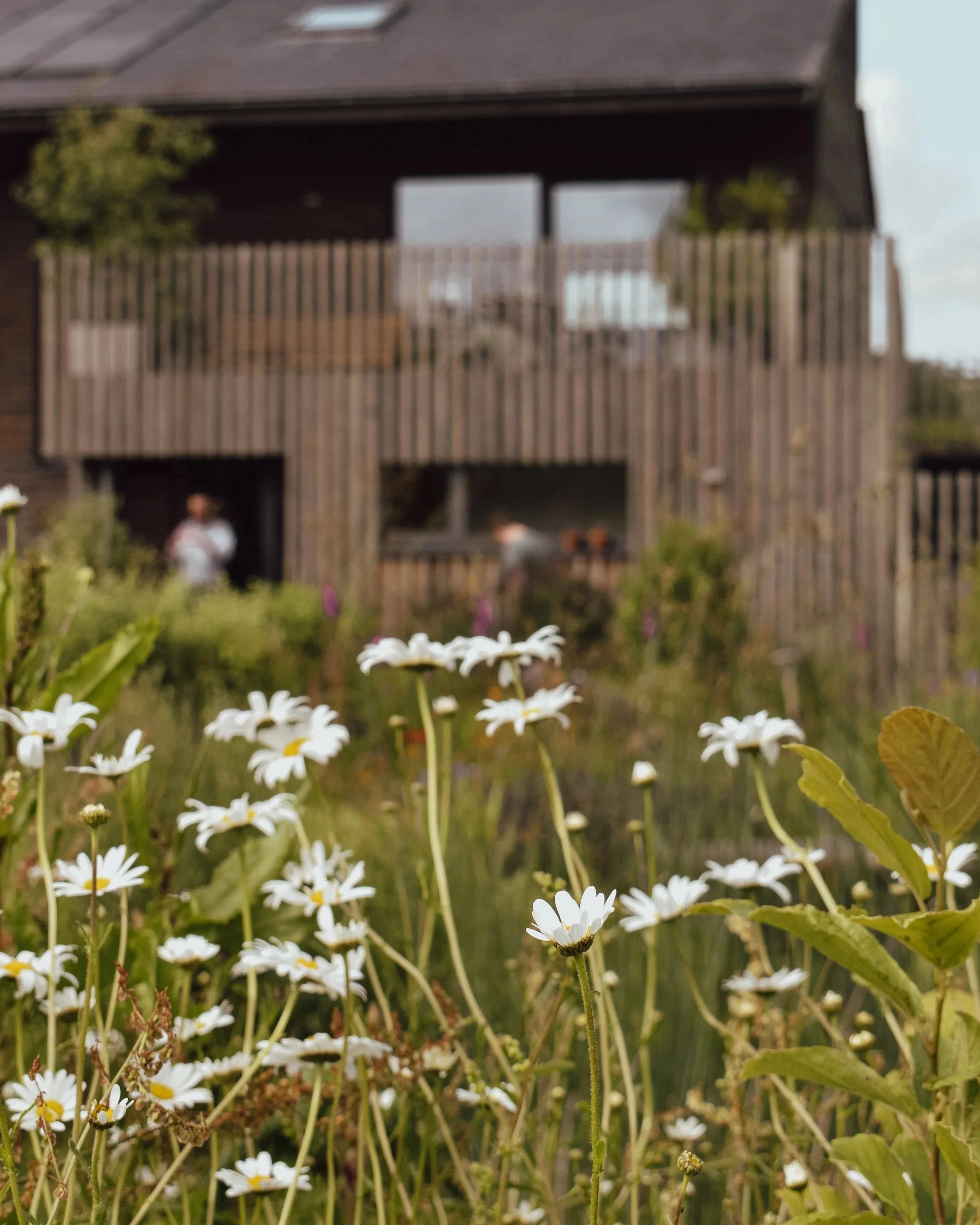
Designing with native species, rain gardens, and permeable site layouts creates richer, healthier environments for the people living in a scheme and the wildlife around it. We've seen this first-hand on projects like Hawksfield, where a landscape strategy built on native planting and permeable surfaces has matured over a decade into a genuinely productive micro-ecosystem, supporting local birds, insects, and pollinators well beyond anything a regulatory minimum would have required.
The strongest projects have never simply been the ones that meet a threshold. They're the ones that leave a place better than they found it, whether or not a metric obliges them to.
If you're planning a project and want to understand how the updated BNG rules, current or upcoming, apply to your site, or how ecological design can strengthen your scheme regardless of exemption status, get in touch. We'd be glad to start with a site assessment.