
The Ground Has Shifted: What the New Planning Framework Means for Rural Landowners
For decades, the planning system has largely treated land outside settlement boundaries as an exception. New homes were directed towards allocated sites, strategic extensions and locations identified through local plans, with very limited opportunities for rural sites that sat beyond the red line on a planning map.
That ground has just shifted.
The new National Planning Policy Framework (NPPF), the first comprehensive rewrite of national planning policy since 2012, introduces something that rural landowners, farmers, estates and developers have never had before: nationally defined criteria for assessing homes outside settlement boundaries.
For Arbor clients, this is potentially one of the most significant changes to rural development policy in a generation.
But what does this mean on the ground?
A Different Conversation About Rural Development
Historically, many planning discussions started and ended with a simple question:
Is the site inside or outside a settlement boundary?
If it was outside, the answer was often no.
The revised framework introduces a more nuanced approach. Rather than relying solely on settlement boundaries, decision-makers are increasingly being asked to consider whether development contributes positively to sustainability objectives, housing delivery, economic growth, environmental enhancement and rural community resilience.
This does not mean unrestricted development in the countryside.
It does mean that well-designed proposals can now be assessed against a broader set of criteria than has typically been the case.
For many Arbor clients, that changes the strategic opportunity considerably.
Finding the Balance: S3, S4(1) and S5(5)
The emerging local policy framework reflects this national shift.
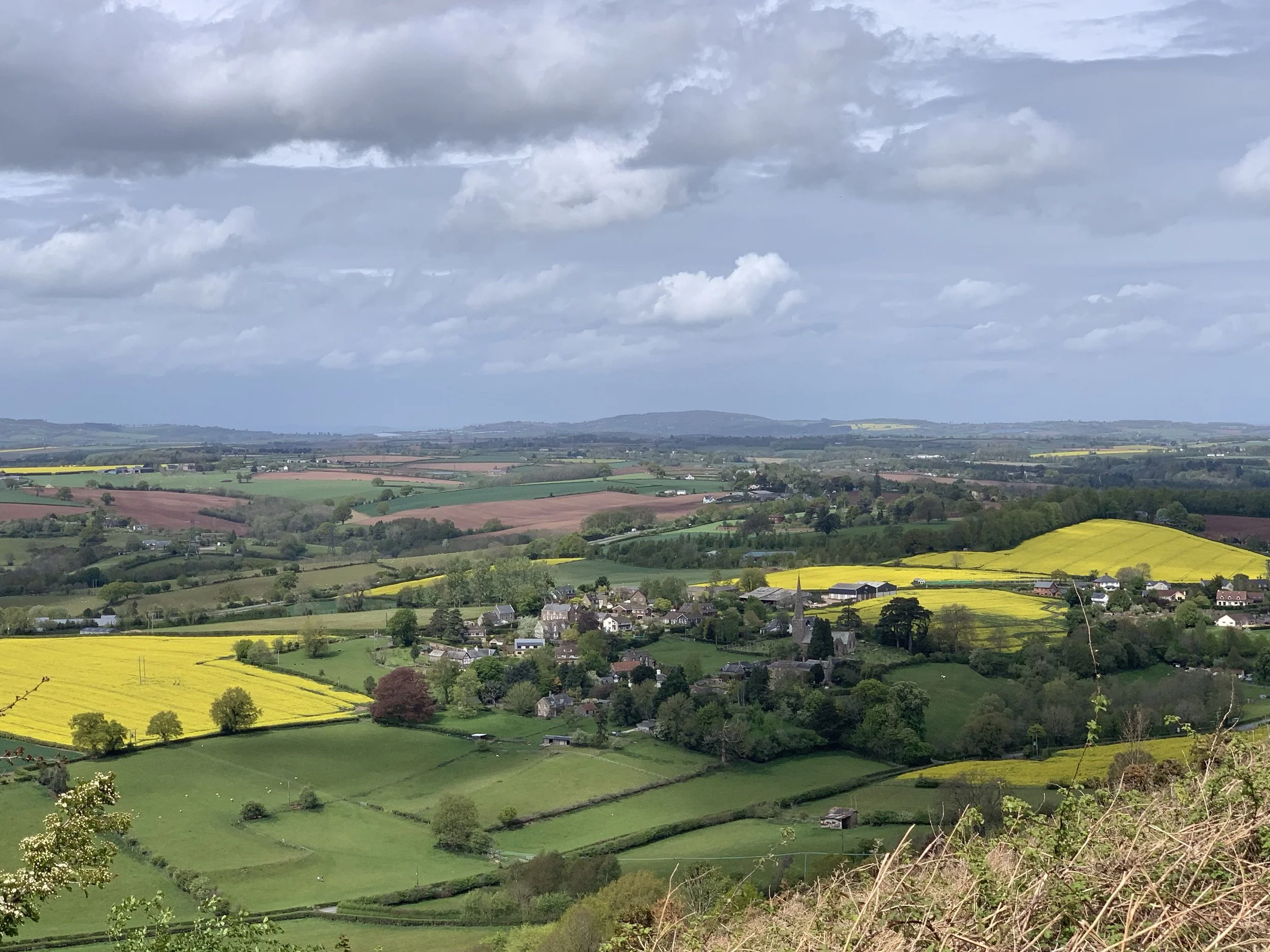
Policies S3, S4(1) and S5(5) continue to direct growth towards existing settlements, but they also acknowledge that rural communities need to evolve if they are to remain viable.
The key message is balance.
Growth should:
Support village services.
Strengthen local communities.
Deliver appropriate housing.
Contribute to economic activity.
Respect landscape character.
Arbor Insight
Settlement boundaries are becoming less important than the role a development plays within a community. The strongest rural sites won't be the biggest. They'll be the ones that complete a village edge, support local services and feel like a natural extension of the place rather than an isolated addition.
Rural Exception Housing: S5(1)(f) and HO10
Housing affordability is becoming an increasingly serious challenge across Herefordshire's rural communities.
The emerging policies continue to support rural exception sites and housing that addresses locally identified needs.
For landowners, this opens opportunities to:
Deliver affordable housing.
Partner with registered providers.
Support local families remaining within their communities.
Bring forward land that may have limited conventional development potential.
Arbor Insight
Rural exception sites are no longer just about housing numbers. They're about keeping villages alive.
The best exception sites will be those that feel inevitable rather than inserted. Schemes that emerge from the grain of the settlement, reflect local building traditions and create lasting social value are likely to find stronger support than developments driven purely by housing numbers.
This is less about delivering units and more about maintaining the long-term viability of rural places.
Isolated Homes: HO11
Perhaps the most talked-about change is the evolving position on isolated homes.
For years, planning policy has made countryside dwellings exceptionally difficult to justify.
The emerging approach places far greater emphasis on the quality of the proposal itself.
Considerations increasingly focus on:
Design excellence.
Environmental performance.
Landscape integration.
Biodiversity enhancement.
Long-term sustainability.
Arbor Insight
Perhaps the most culturally significant change is the shift away from treating countryside homes as inherently suspect.
For a generation, architects have often been forced to argue against policy before they could begin arguing for architecture. The emerging framework hints at a different approach. Quality, environmental performance and landscape stewardship are becoming part of the planning conversation from the outset.
That raises the bar considerably.
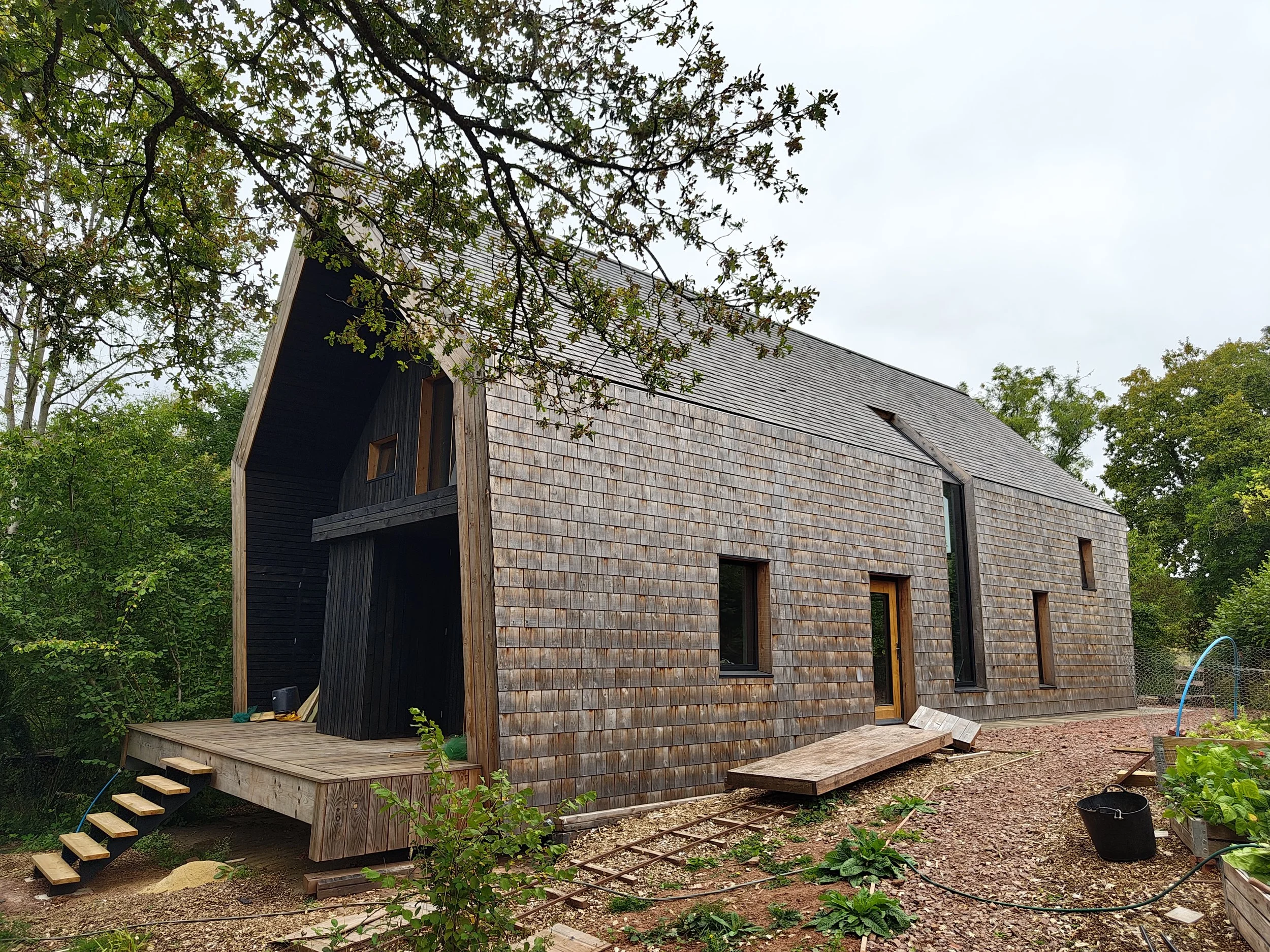
Mediocre houses in open countryside remain difficult to justify. Exceptional projects, however, have a stronger opportunity to demonstrate public value through design excellence, habitat creation and regenerative land management.
The question is no longer simply whether a building belongs in the landscape. It is whether the landscape is better because the building exists.
Green Belt: GB2, GB7 and GB8
Green Belt remains protected, but the policy direction is increasingly focused on achieving better outcomes from land that comes forward for development.
The emphasis is shifting towards:
Delivering public benefits.
Environmental improvements.
Landscape enhancement.
High-quality architecture.
Biodiversity gains.
Arbor Insight
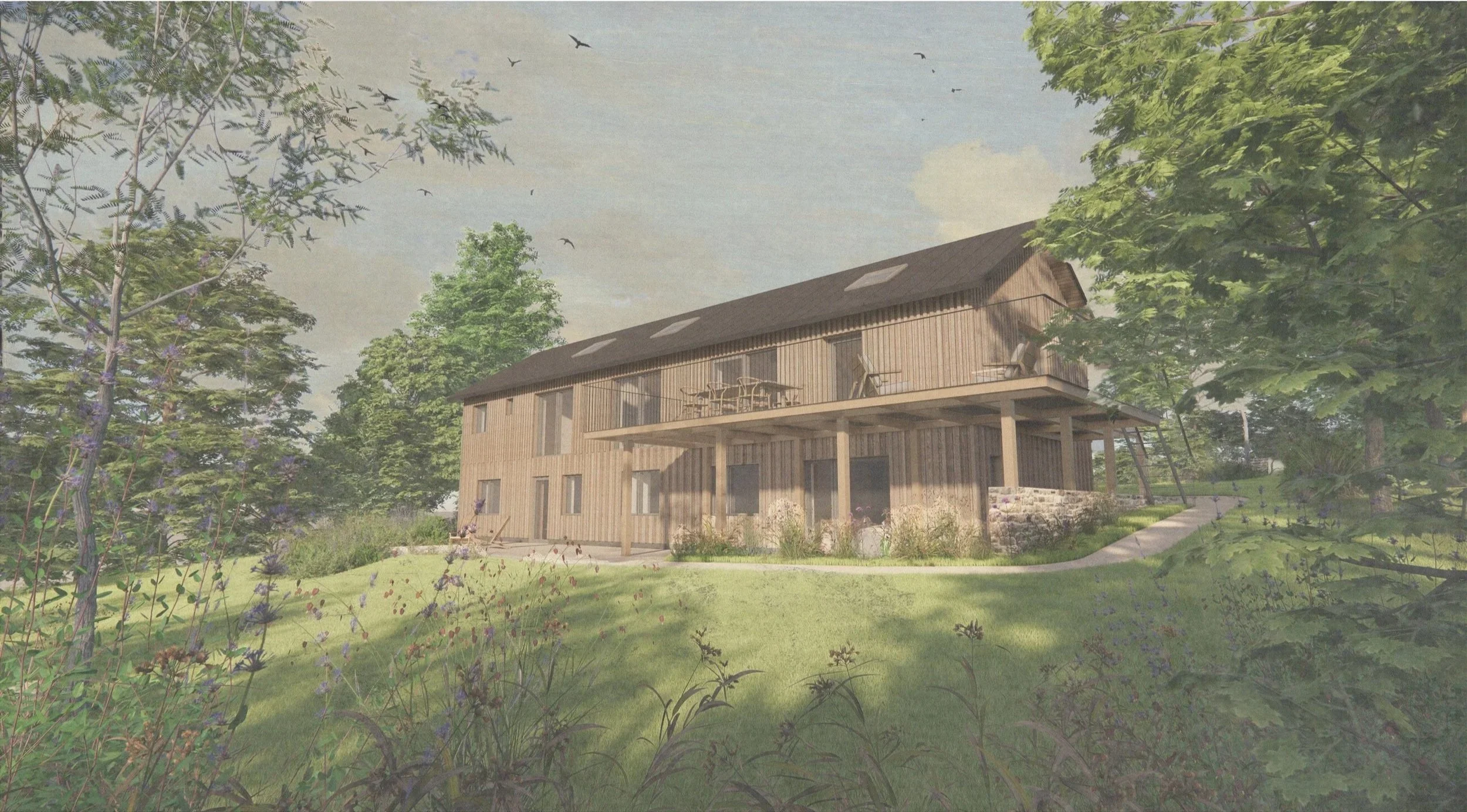
Green Belt planning is shifting from a debate about restriction to a debate about value.
Projects that improve biodiversity, public access, landscape quality and design standards are likely to gain more traction than those that simply seek to minimise harm. The strongest proposals will leave a place better than they found it.
Climate Change Moves to the Centre: CC1, CC2 and CC3
Climate policy is no longer a specialist planning consideration.
It is becoming one of the primary tests applied to development.
The new policies expect projects to demonstrate:
Lower carbon emissions.
Greater energy efficiency.
Climate resilience.
Sustainable drainage.
Adaptation to future environmental conditions.
Arbor Insight
Climate policy is rapidly moving from technical compliance into the territory of place-making.
For architects, this is significant. Performance is no longer something measured after a design is completed. It is becoming one of the factors that shapes the design itself.
This rewards projects that begin with orientation, landscape, water management and material selection rather than treating sustainability as a collection of bolt-on technologies.
The most successful rural developments will likely be those where ecological systems, energy systems and architectural form are designed together.
Supporting Rural Enterprise: E4
Housing is only part of the story.
The emerging framework also recognises that thriving rural communities need thriving rural businesses.
E4 supports a broad spectrum of economic activity, including:
Farm diversification.
Tourism development.
Rural workspaces.
Commercial conversions.
Food production businesses.
Agri-tech and innovation enterprises.
Arbor Insight
Planning policy increasingly recognises that farms, workshops, tourism, makerspaces and rural businesses can sit side by side. The opportunity is to create places that generate both economic and environmental value.
For landowners, the opportunity is not simply to add another revenue stream. It is to create destinations that strengthen both the local economy and the landscape they sit within.
Design as a Planning Advantage: DP1 and DP2
One of the clearest messages running throughout the new framework is that good design matters.
Increasingly, design quality is not simply a requirement.
It is a planning advantage.
DP1 and DP2 promote:
Context-sensitive architecture.
Landscape-led design.
Local distinctiveness.
High-quality placemaking.
Long-term environmental performance.
Arbor Insight
Across much of the planning system, there is a growing recognition that quantity without quality creates long-term problems. The challenge is no longer simply delivering homes. It is creating places people want to belong to.
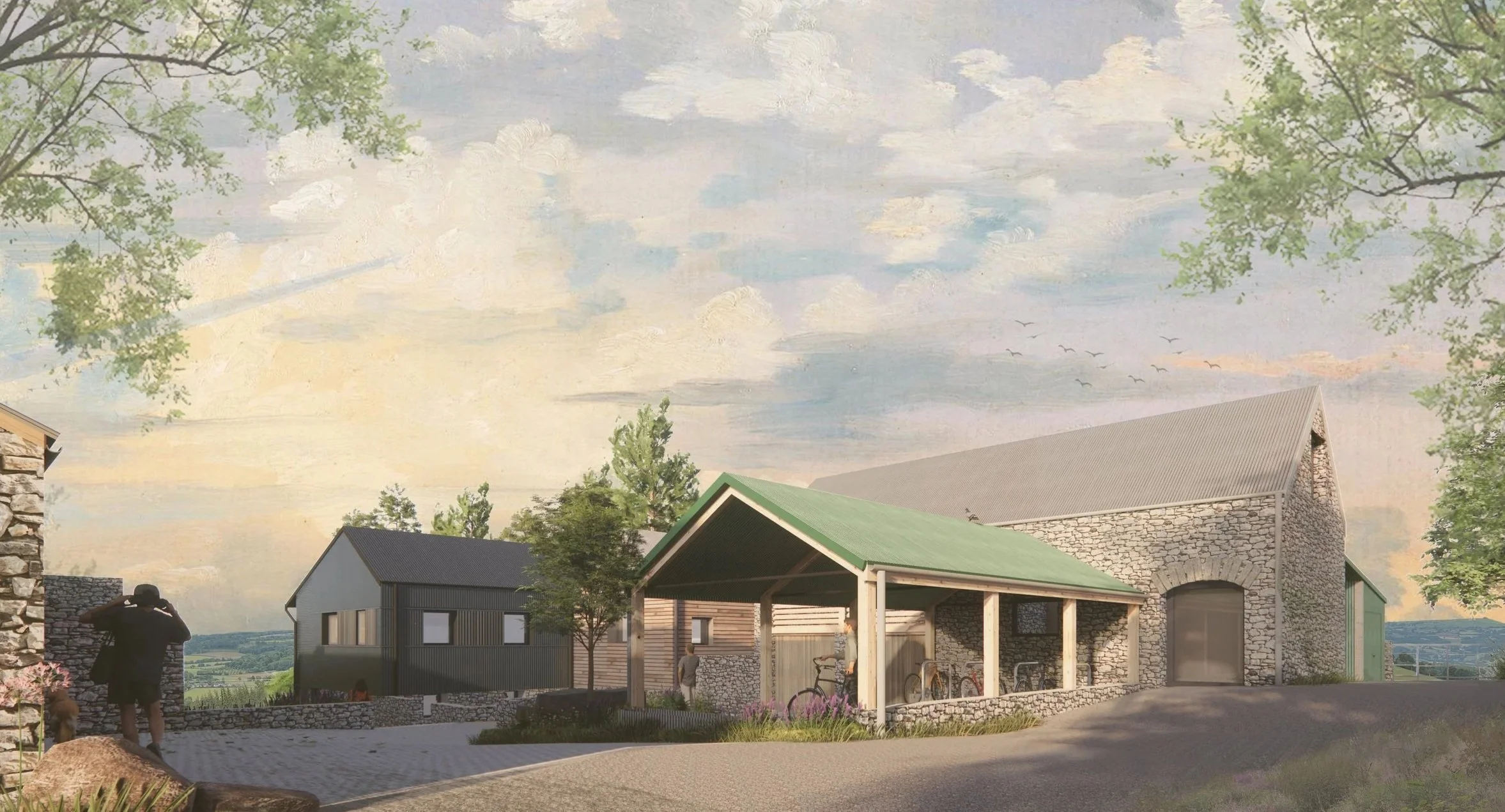
For rural development, good design means more than matching local materials or copying historic forms. It means understanding how buildings relate to topography, ecology, movement and settlement character.
The strongest schemes will start with the landscape rather than the site boundary.
In our opinion, this shift will produce more convincing architecture and, increasingly, more robust planning arguments.
Transport and Rural Reality: TR3
Transport policy continues to support sustainable movement, but there is growing recognition that rural areas operate differently from urban locations.
TR3 seeks practical improvements, including:
Walking and cycling links.
Safer access arrangements.
Electric vehicle infrastructure.
Reduced transport emissions.
Arbor Insight
The question is becoming less about whether a site has a bus stop immediately outside it and more about whether development can improve connectivity in a realistic and proportionate way.
A rural site doesn't need to function like a city-centre location. What matters is whether development improves walking, cycling, access to services and low-carbon travel choices compared with what exists today.
A New Era for Rural Sites
Taken together, these policies signal something more fundamental than a change in where development can happen. They represent a shift in what planning is looking for.
Across housing, climate, biodiversity, design and rural economic growth, a common thread emerges: development is increasingly expected to leave places better than it found them.
That principle sits at the heart of our approach at Arbor Architects.
We see rural development as an opportunity to restore landscapes, strengthen communities, support local economies and create buildings that belong to their setting. Homes, businesses and infrastructure should contribute to a wider ecological and social story, not simply occupy land.
What is striking about the new framework is how closely it echoes this thinking. Success is no longer measured solely by housing numbers or site allocations, but by the quality of the place being created and the value it delivers over time.
For landowners and developers, the opportunity is clear. The strongest projects will be those that move beyond compliance and embrace a more regenerative approach, creating development that supports nature, responds to local character and leaves a lasting positive legacy.
In many ways, the planning system is beginning to ask the same question we ask at the start of every project:
How can this place be better because we were here?