
A Living Classroom? The Measurable Impact of Biophilic Design in the UK
Buildings shouldn’t just provide shelter; they should nurture the people inside them. In the UK, students spend an average of 190 days a year inside school buildings. When these spaces are designed through the lens of biophilia, they become powerful tools for both learning and community health. (If you’re new to Biophilic design, before reading on, take a look at our previous Journal entry, Understanding Biophilic Design and Architecture, to learn more.)
While the ‘feel-good’ factor of nature is intuitive, the data behind it is transformative. Here is how biophilic design delivers concrete, measurable benefits to education and community spaces, backed by UK research.
1. Boosting Academic Performance
In a classroom, the environment is either an ally or an obstacle. Biophilic design has been proven to reduce ‘attention fatigue,’ allowing students to stay focused for longer periods. The University of Salford conducted a landmark study (The HEAD Project) that tracked nearly 4,000 students across 153 classrooms in the UK. Their findings provide a blueprint for high-performance educational design.
The 16% Margin. The study found that well-designed classrooms can boost a child’s learning progress in reading, writing, and maths by 16% in a single year.
The ‘Naturalness’ Factor. Of all the variables analysed, ‘Naturalness’, encompassing daylight, temperature, and air quality, accounted for 50% of the total impact on learning.
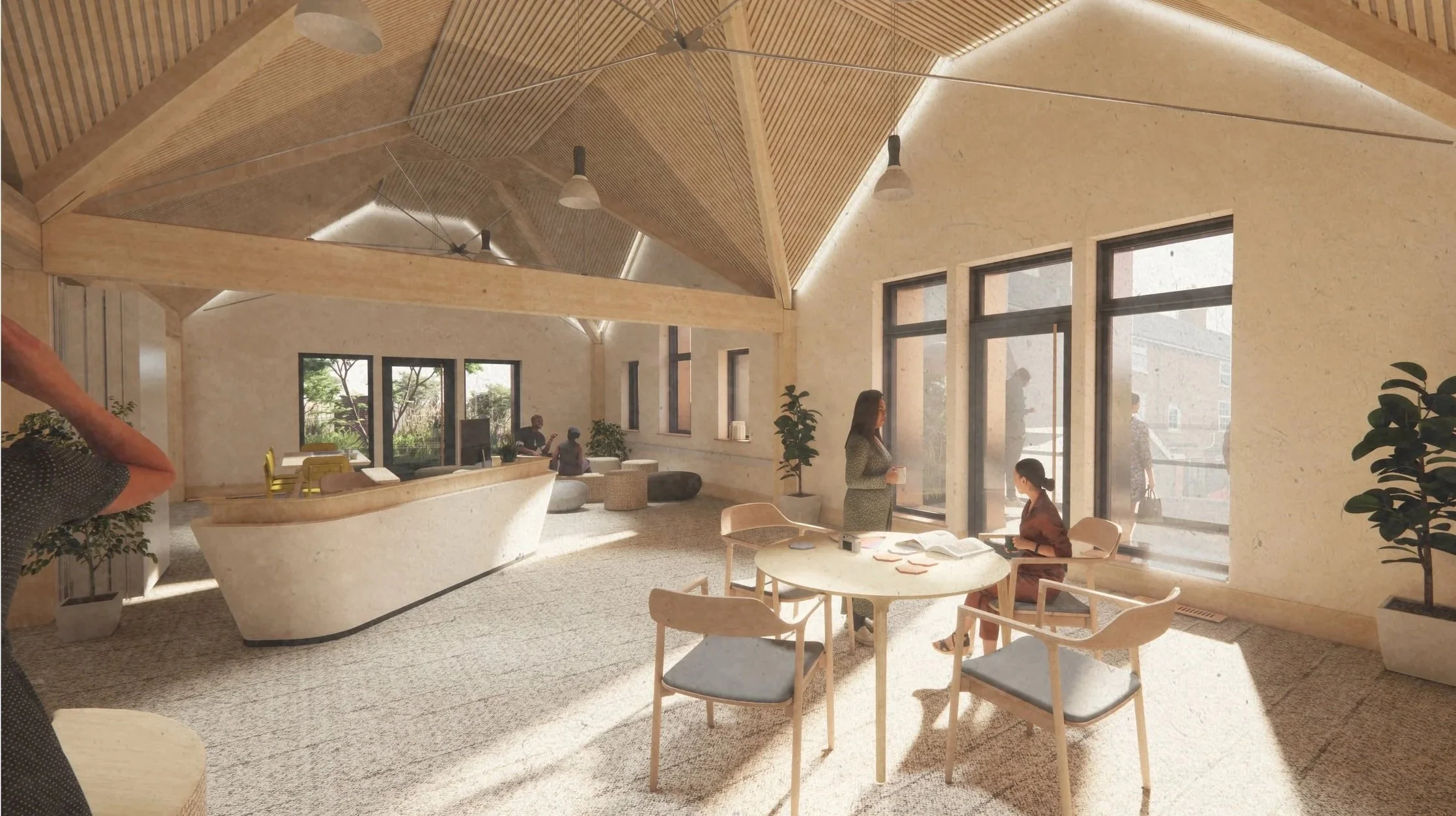
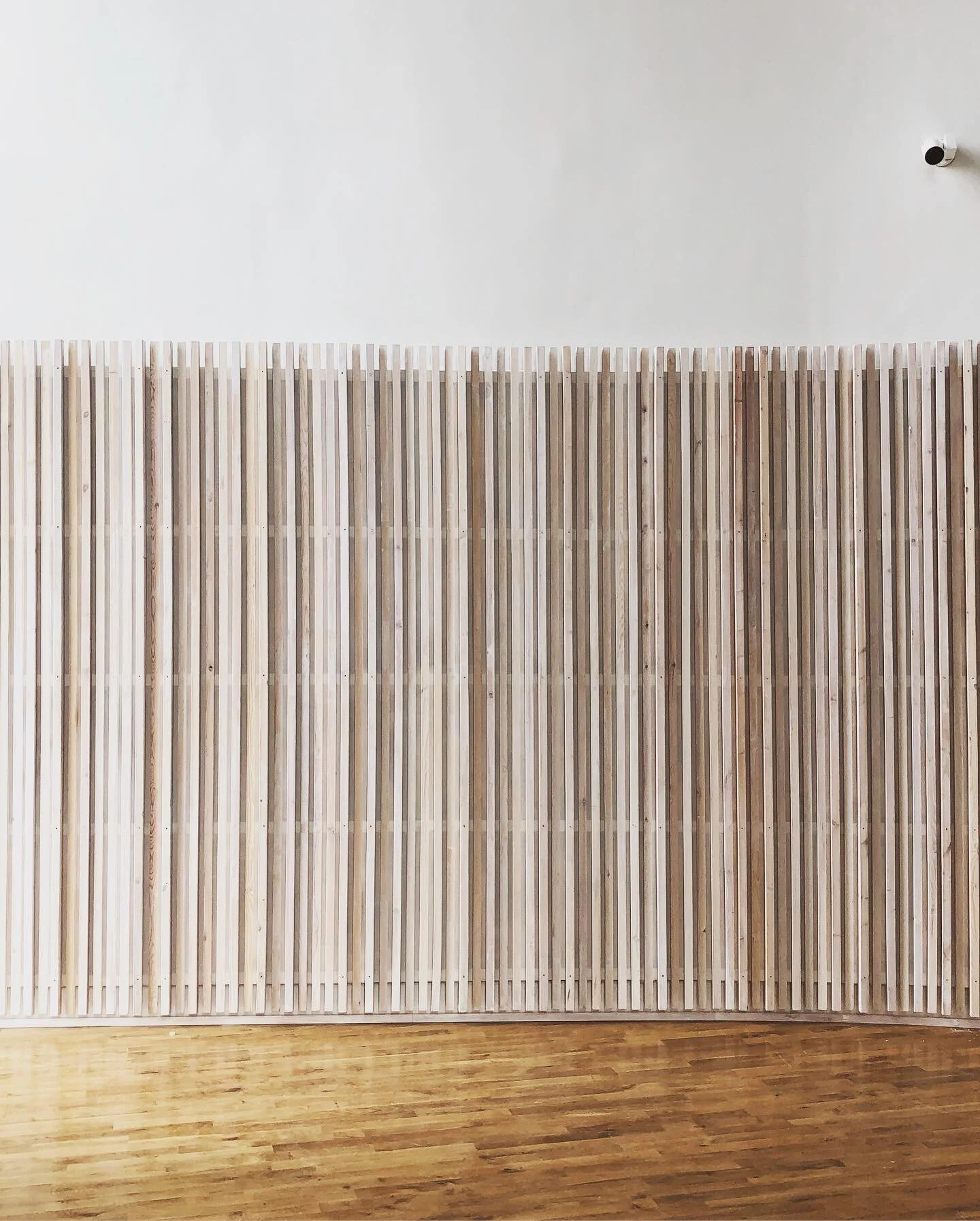
Natural Analogues. Classrooms using natural materials like timber or stone (natural analogues) help lower student heart rates and improve focus, allowing for faster ‘Attention Restoration’ after high-intensity tasks (14 Patterns of Biophilic Design).
2. Mental Health and the ‘Inspiration’ Metric
Public and educational buildings, such as libraries, town halls and youth centres, are the social fabric of our neighbourhoods. When these spaces feel cold or sterile, they can inadvertently increase feelings of isolation. Community buildings, such as the renowned Maggie’s Centres in the UK, serve as gold-standard case studies for biophilic design. Research from the University of Liverpool (The Impact of Biophilic Design in Maggie’s Centres: A Meta-Synthesis Analysis) highlights how these spaces function as therapeutic environments.
Recovery and Inspiration. Recent UK-led research published in PLOS ONE suggests that ‘Level 3’ biophilic environments (those with high greenery and natural views) result in a significant increase in self-reported inspiration and stress recovery compared to standard sterile environments (Ghaziani et al., 2025).
The Fractal Effect. Nature is full of repeating patterns (fractals), like the veins in a leaf or the branches of a tree. Human brains are hardwired to process these patterns easily, which creates a sense of subconscious, effortless calm. Incorporating fractals into community centre facades or interiors has been shown to reduce observer stress levels by up to 60%, simply by providing the brain with effortless visual processing (Fractal Art and Architecture Reduce Physiological Stress Salingaros, 2012)
By bringing the outside in, we create community spaces where people feel safe, welcome and inspired to connect.
3. Strengthening Social Cohesion and Equity
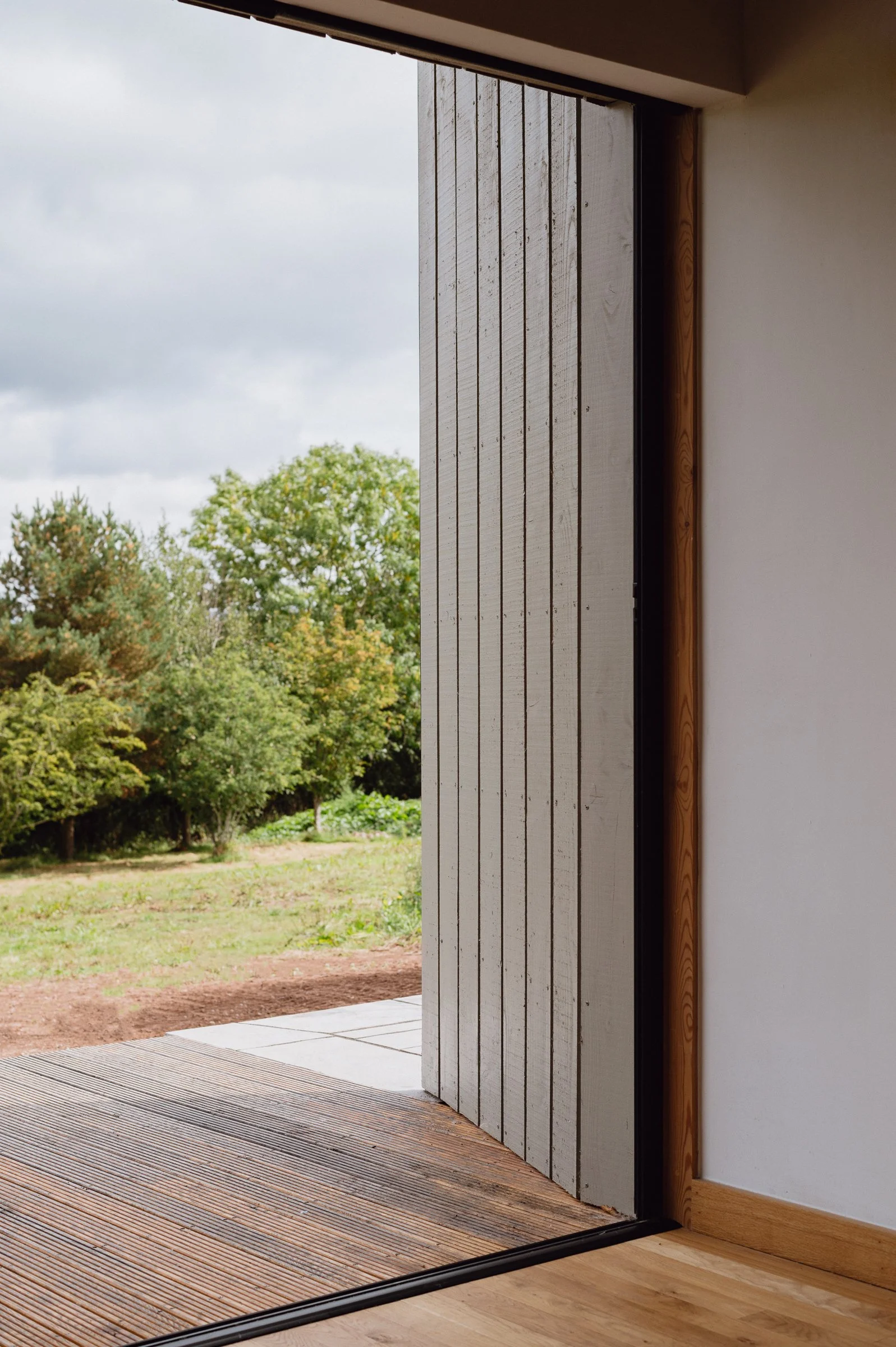
Biophilic design in community spaces and schools isn’t just an aesthetic choice; it’s a tool for social equity. UK researchers have found that access to Green Corridors and internal courtyards within public buildings directly tackles loneliness. Biophilic design often encourages people to move through a building differently.
Pro-Social Behaviour. High-quality green spaces in community centres encourage lingering and spontaneous social interaction, which has been linked to a reduction in anti-social behaviour referrals in urban school settings (Children & Nature Network, 2024).
Health Outcomes. For every £1 invested in high-quality green infrastructure and biophilic public space, it is estimated that the UK economy gains significant long-term financial benefits in reduced healthcare costs related to stress and respiratory issues (British Land, 2019).
Biophilia is not a luxury; it’s a biological necessity. These designs foster environments where people feel inspired, connected and supported.
4. Designing for the Future: Environmental Stewardship
We see biophilic design as the bridge to sustainability. When we use natural ventilation, maximise sunlight, and incorporate living walls, we reduce a building's energy footprint while simultaneously improving the user experience.
The ‘Living Lab’. UK nurseries that implemented strategically placed biophilic elements saw a substantial increase in children’s environmental vocabulary and engagement with the natural world (Ghaziani et al., 2025).
Passive Benefits. By maximising natural light (as recommended by the Salford study), we reduce the need for artificial lighting, cutting carbon footprints while simultaneously improving student circadian rhythms.
The goal of biophilic design in the public sector is about equity. Whether it’s a university in a bustling city or a community centre in a rural town, every user deserves an environment that promotes health.
By prioritising the human-nature connection, we aren’t just building schools, we’re building a more resilient, focused, and healthy society.
Ready to bring nature into your next project? Contact us today to discuss how we can help you create a space that breathes.
References & Further Reading
University of Salford (2015). Clever Classrooms: Holistic Evidence and Design (HEAD) Project.
Ghaziani, R., et al. (2025). Exploring biophilic building designs to promote wellbeing and stimulate inspiration. Published in PLOS ONE.
University of Liverpool (2014/2022). The Impact of Biophilic Design in Maggie’s Centres: A Meta-Synthesis Analysis. Access via Liverpool Repository
British Land & PwC (2019). Design for Life: The Socio-economic value of places. (Evidence provided to UK Parliament).
Ghaziani, R., Lemon, M., & Atmodiwirjo, P. (2021). Biophilic Design Patterns for Primary Schools. Sustainability Journal.